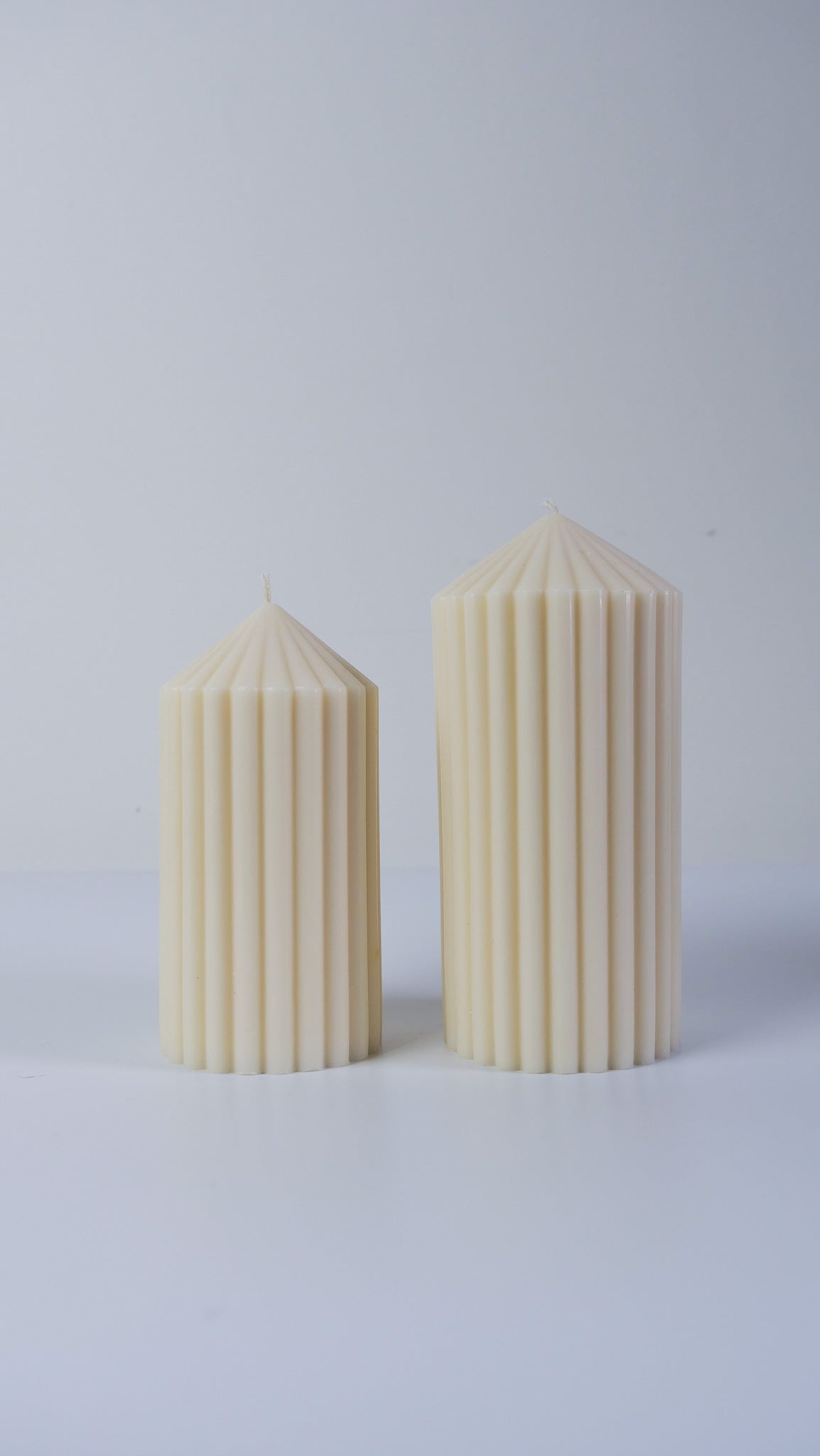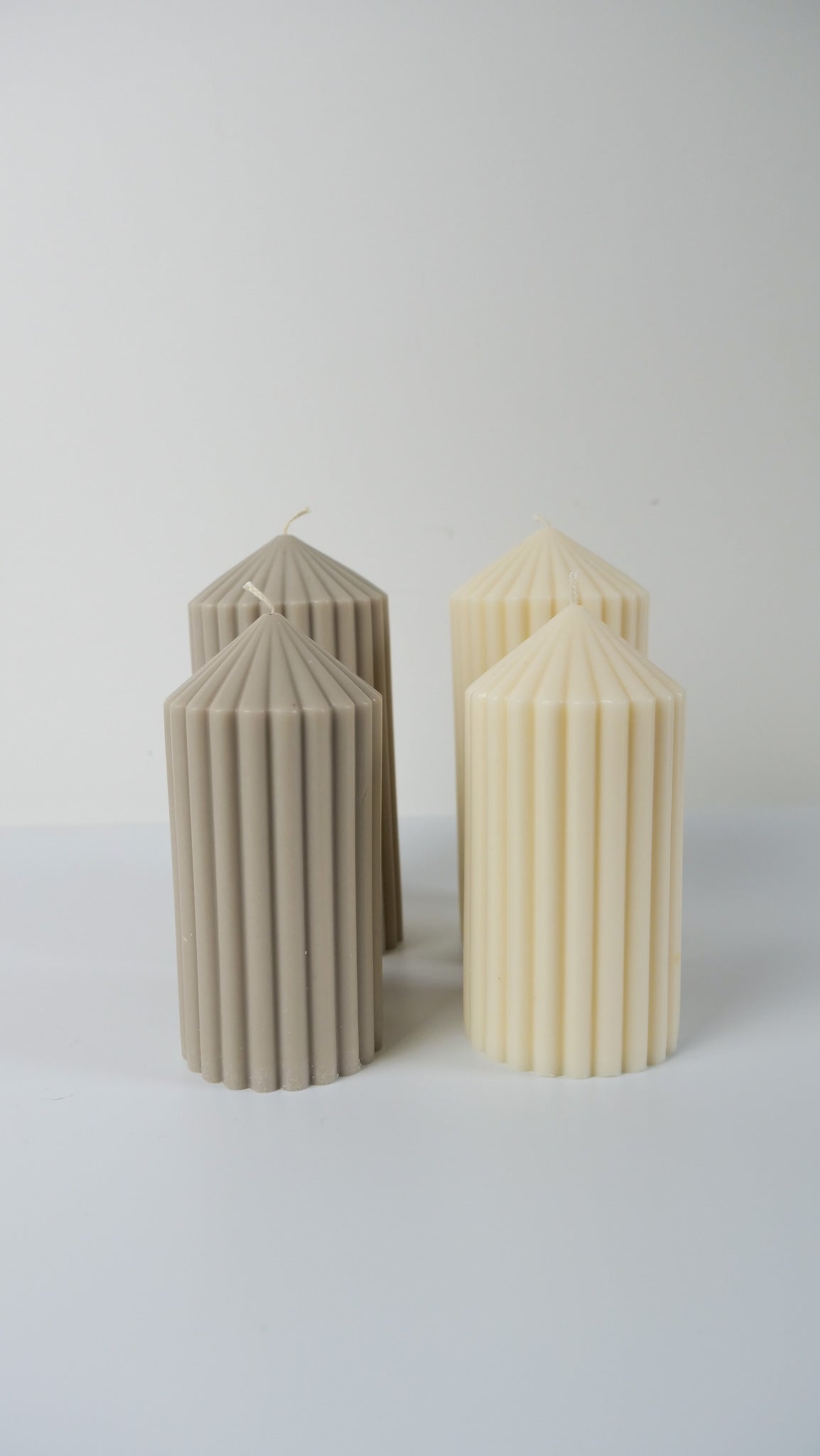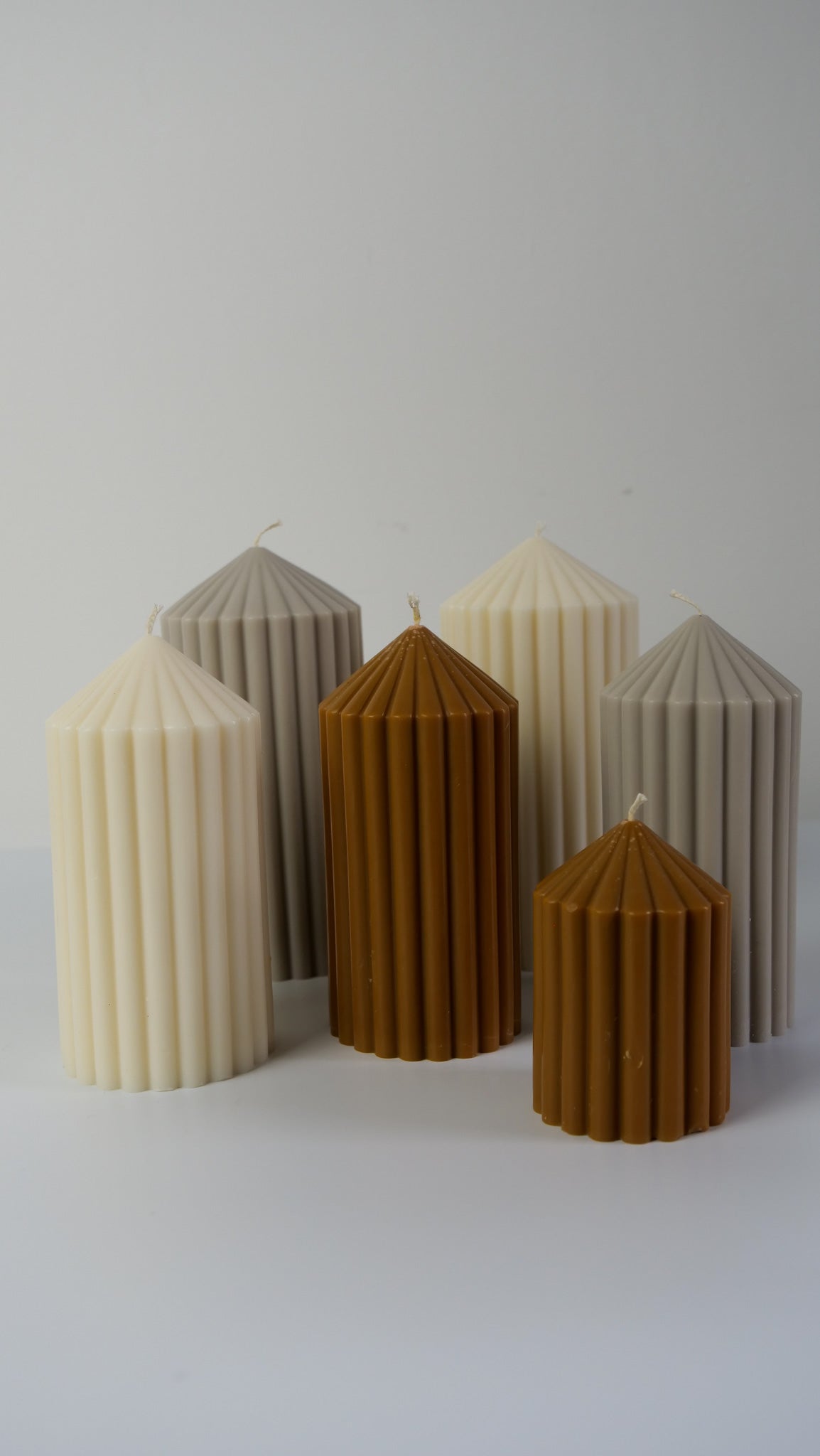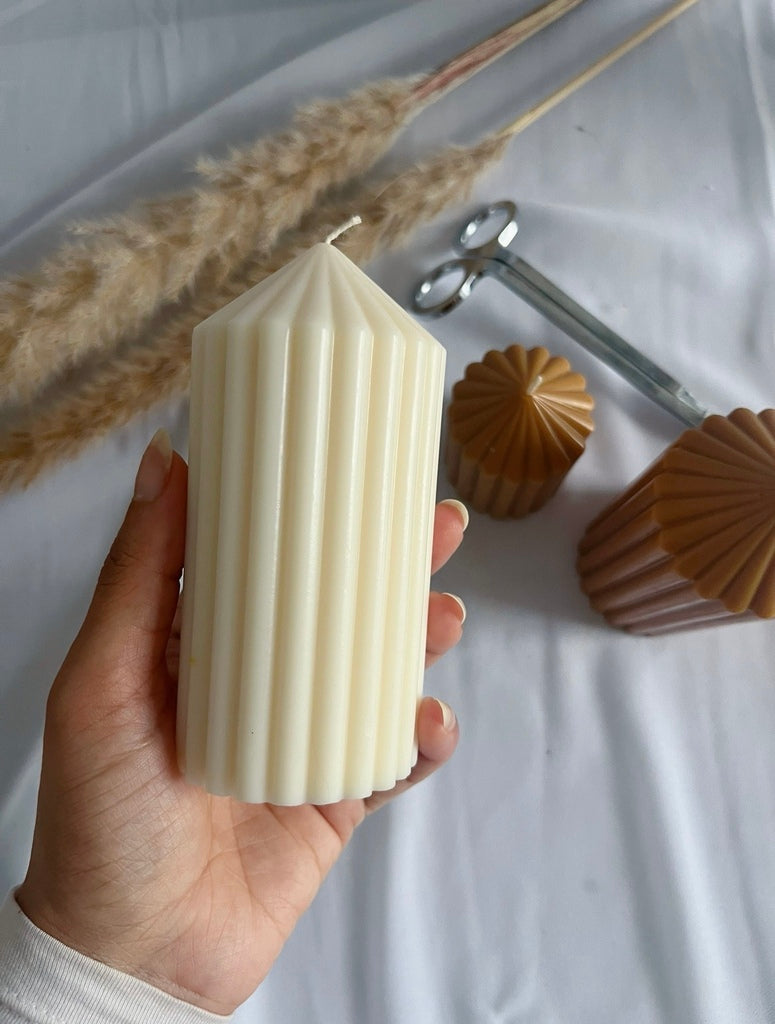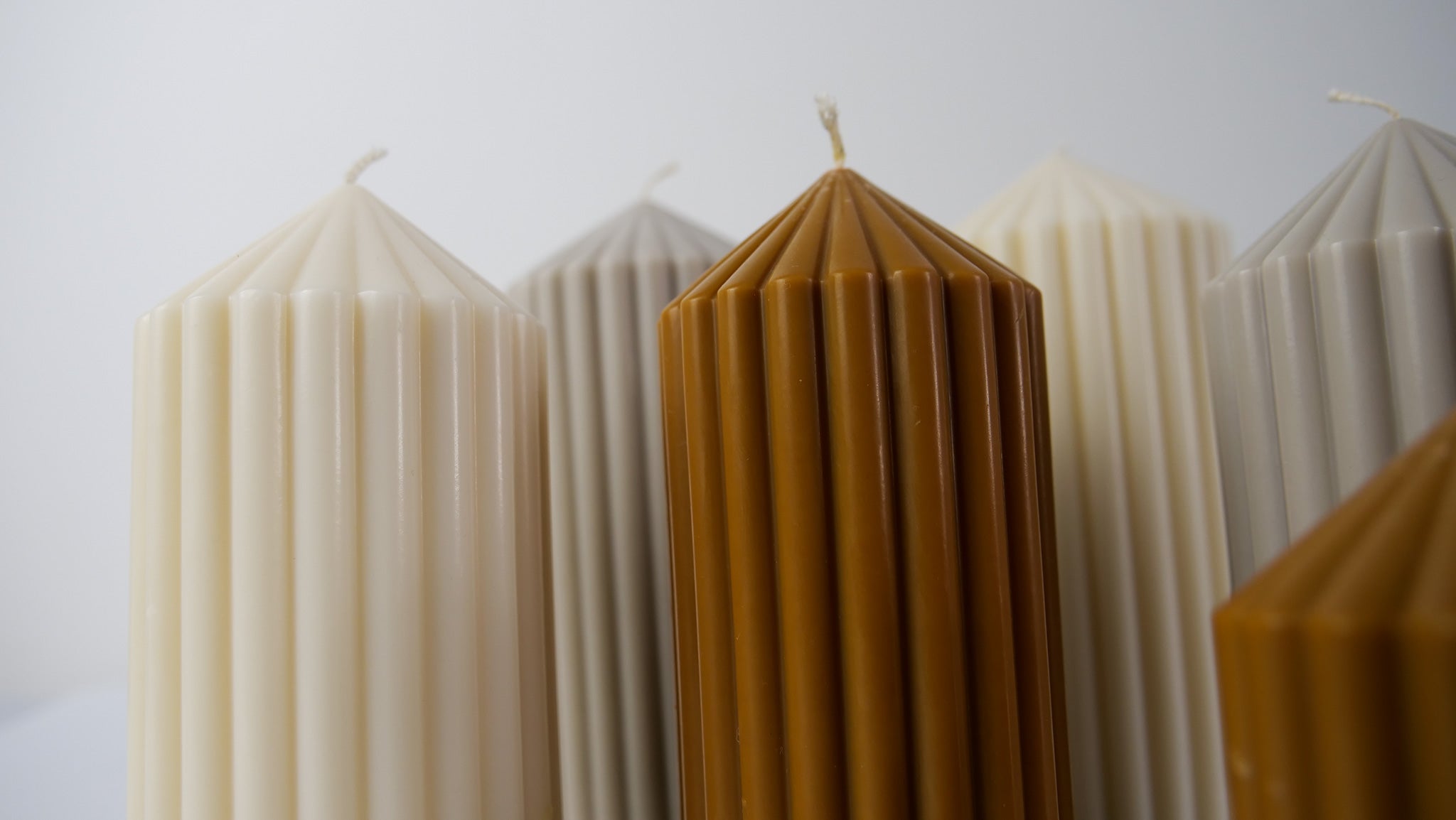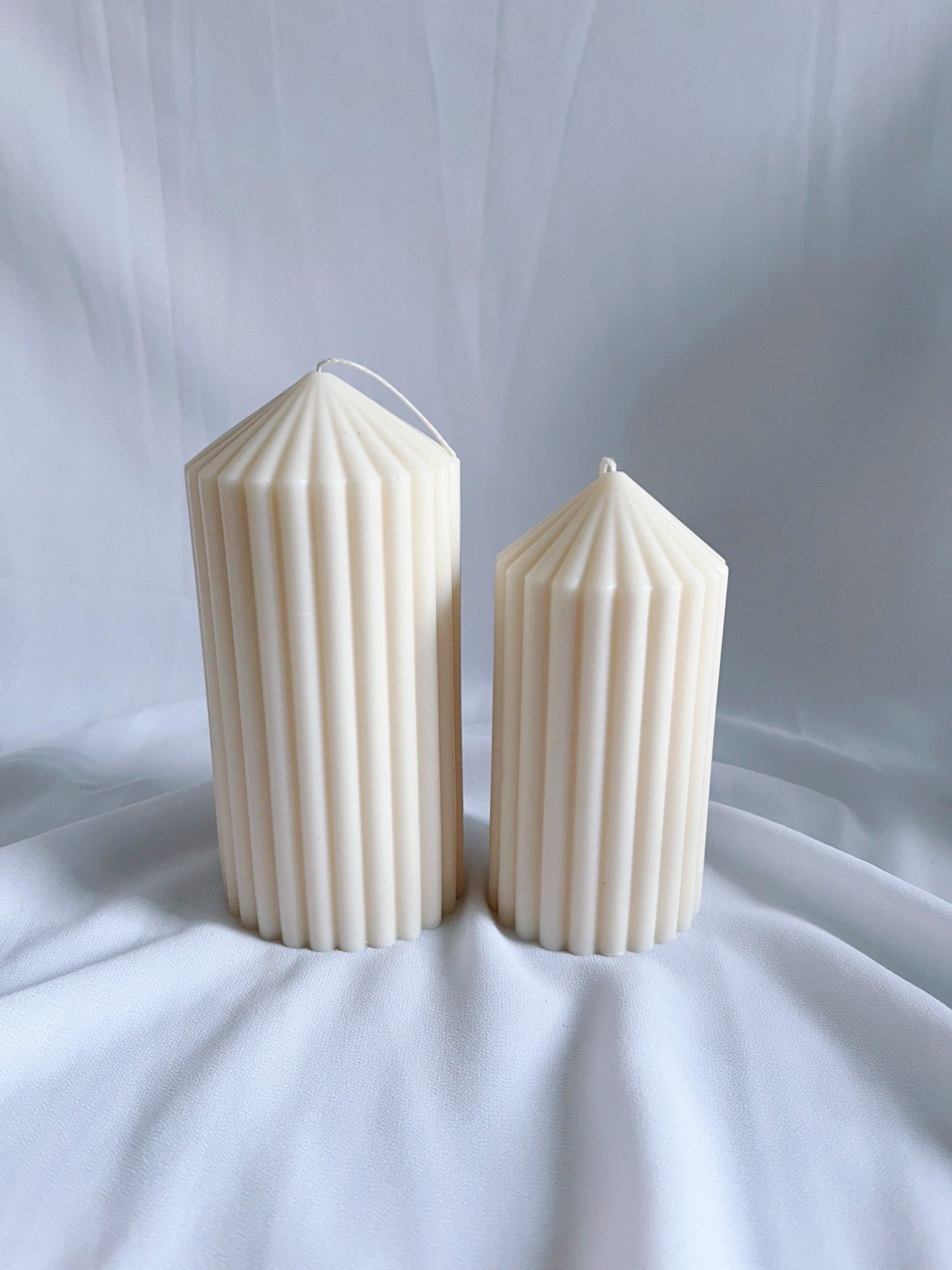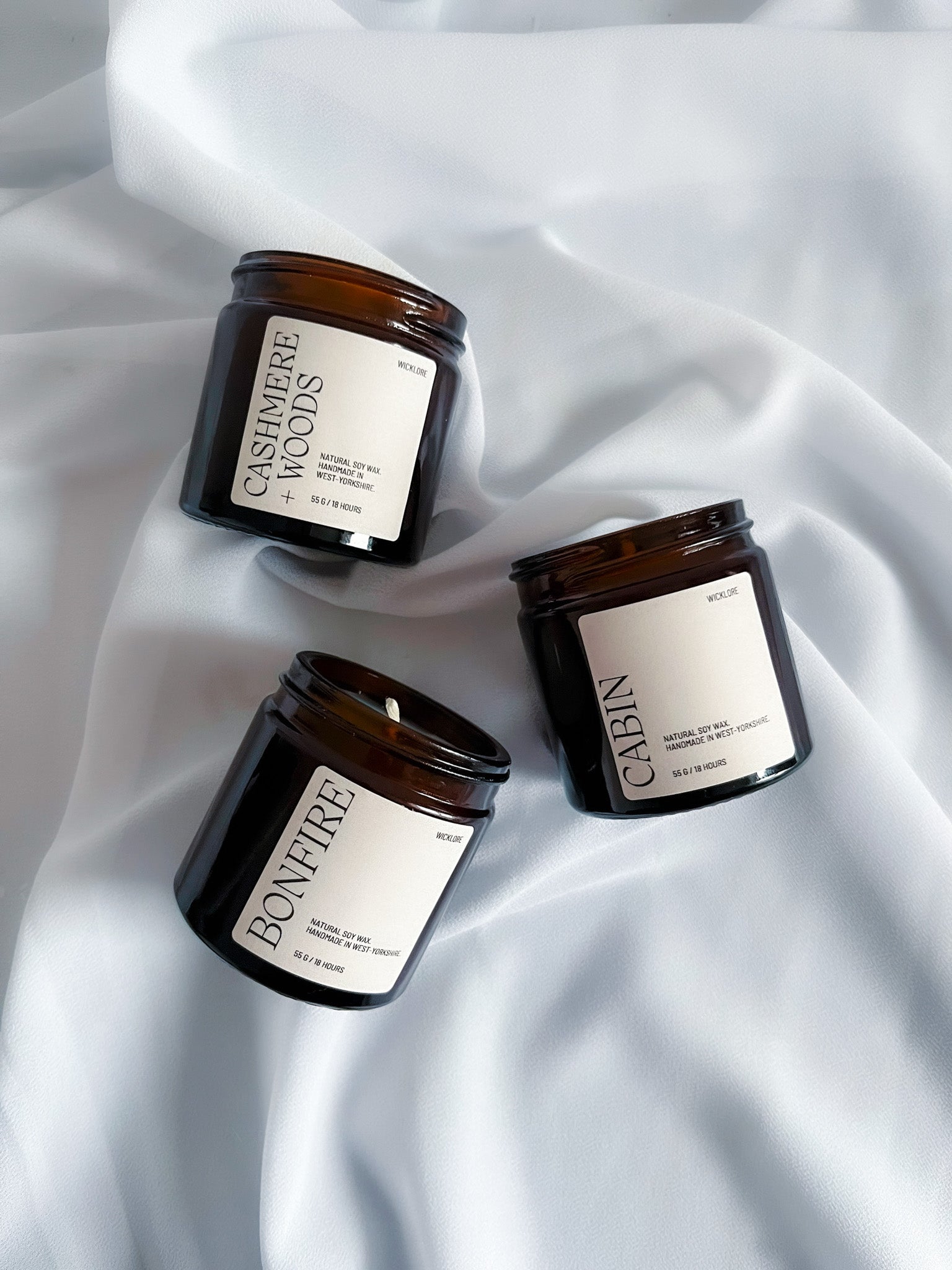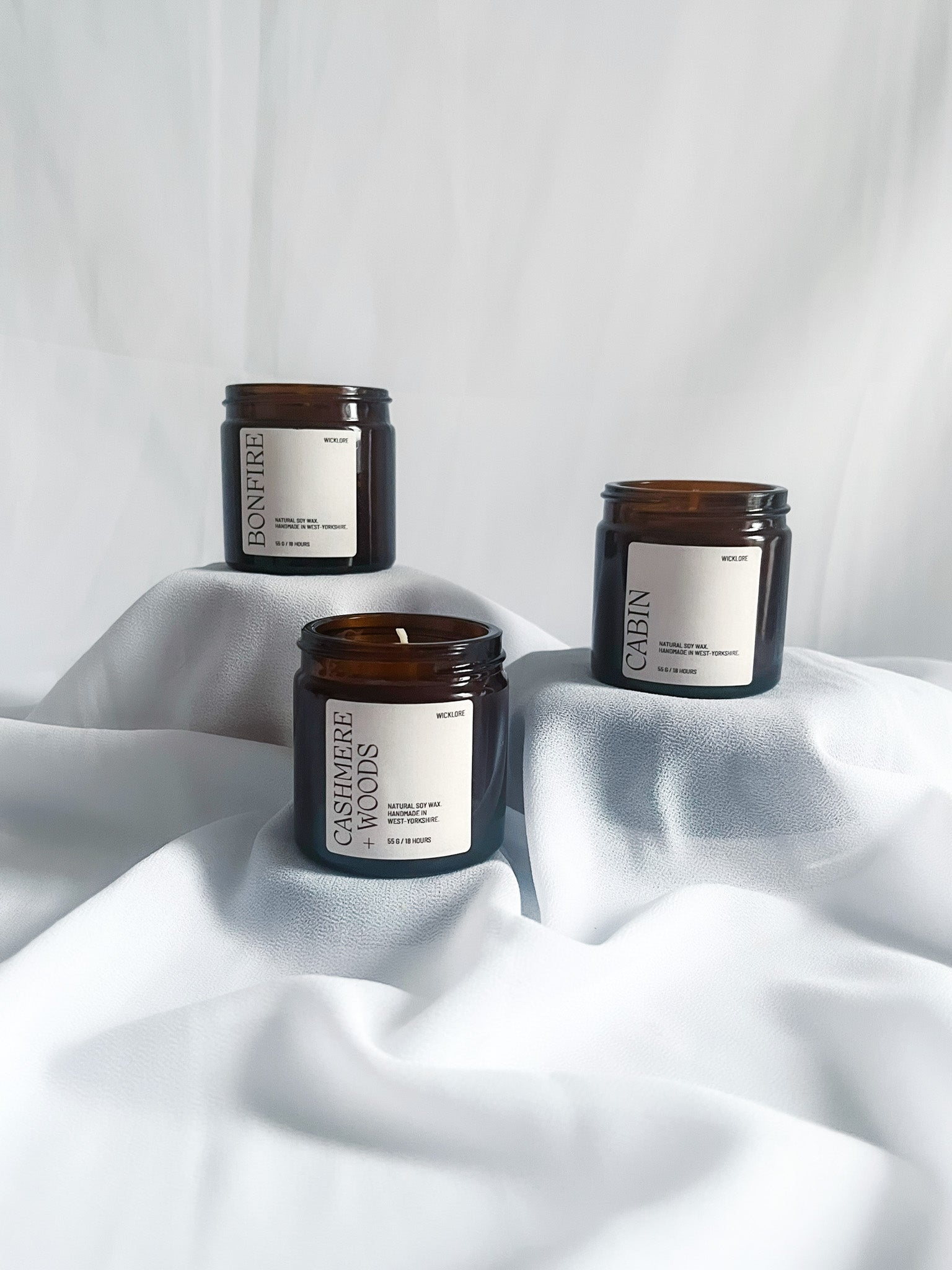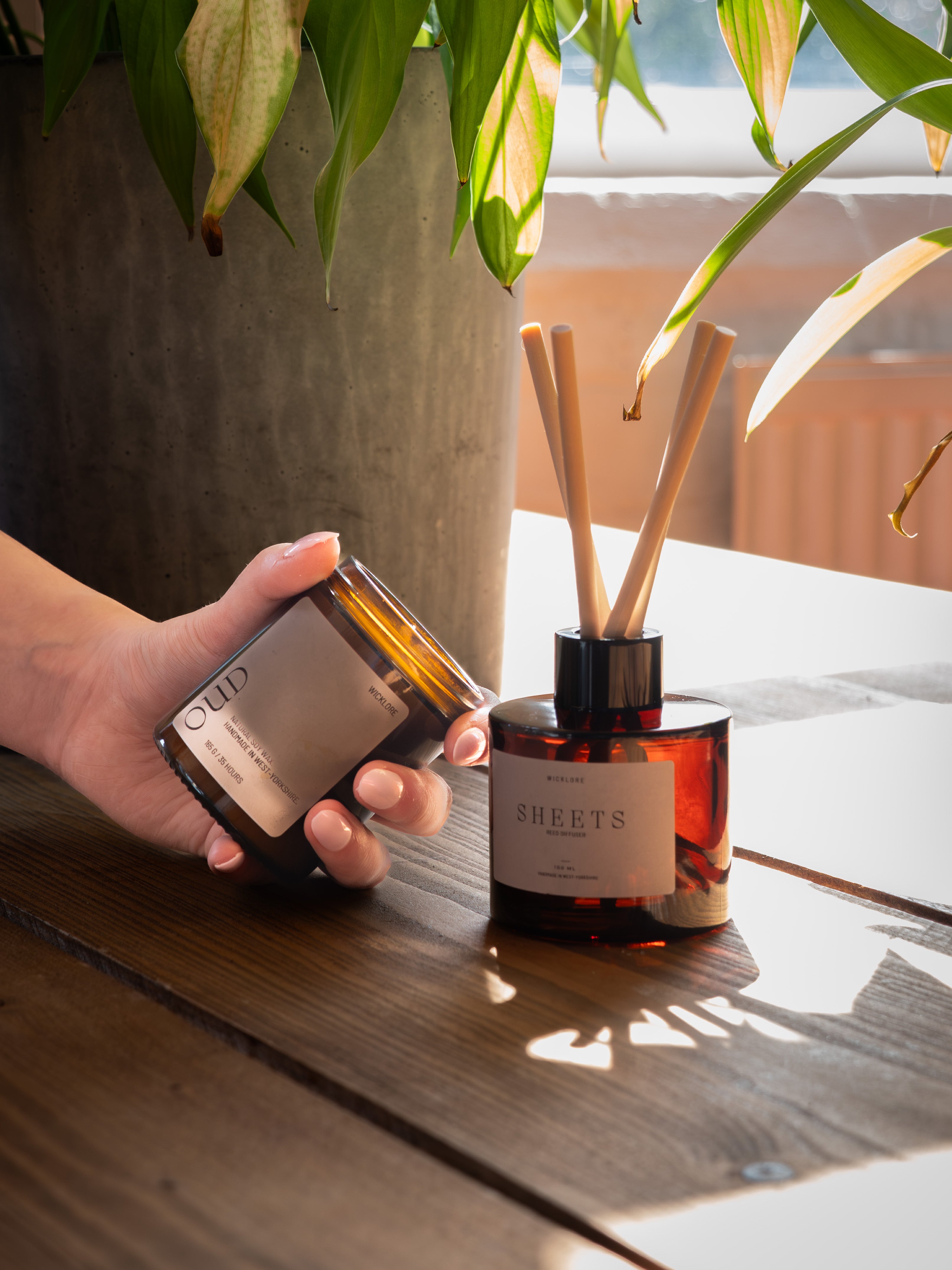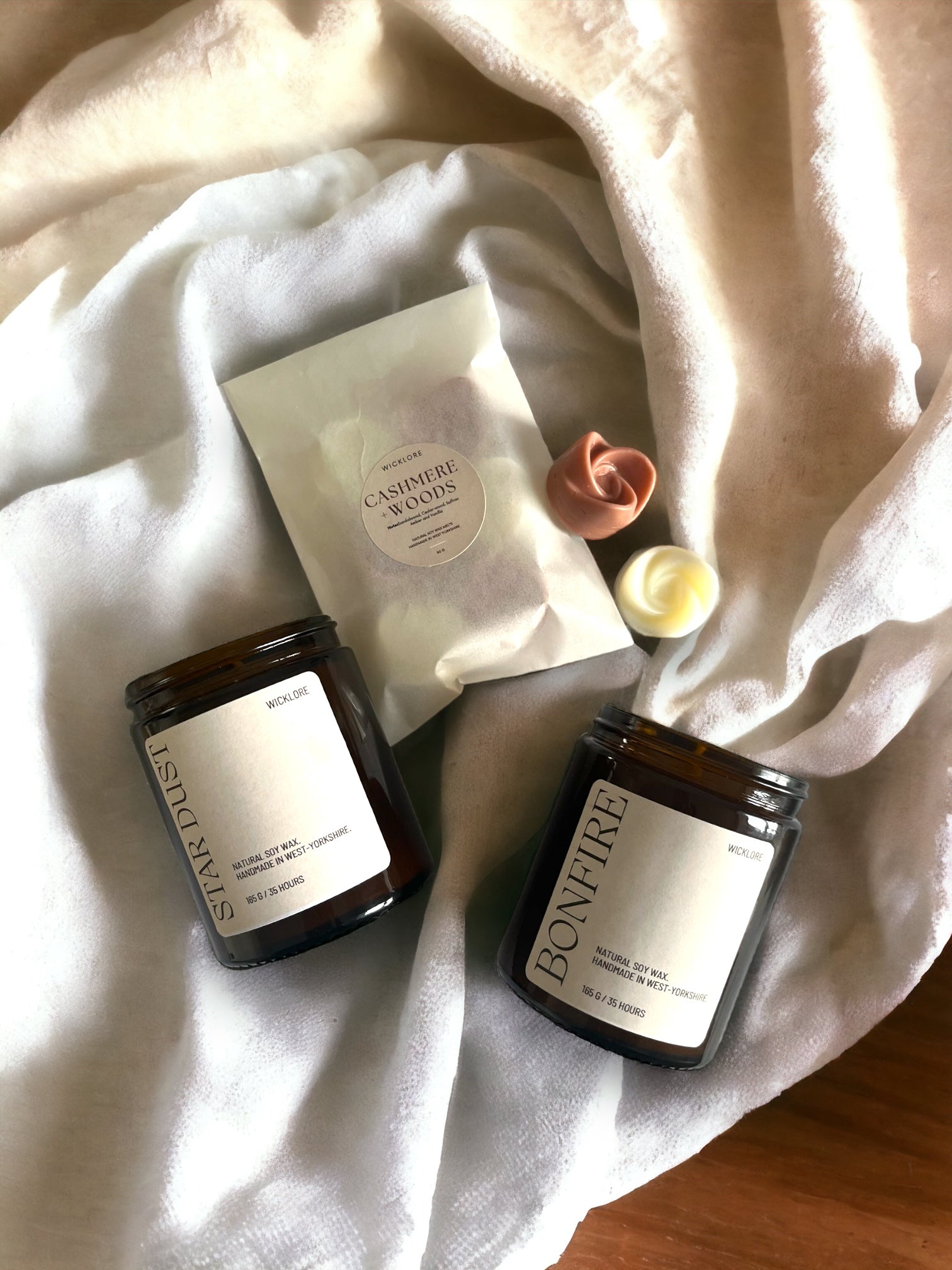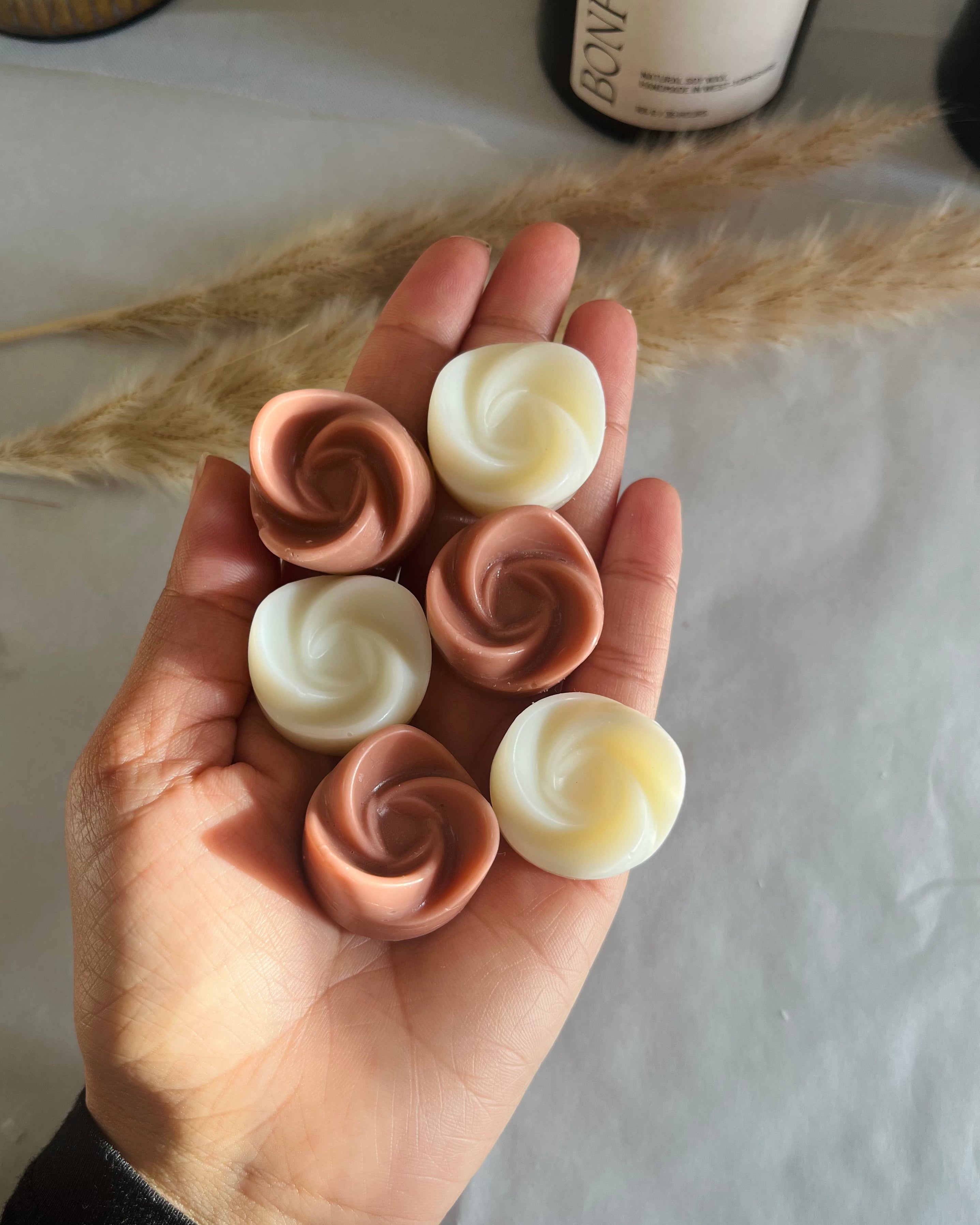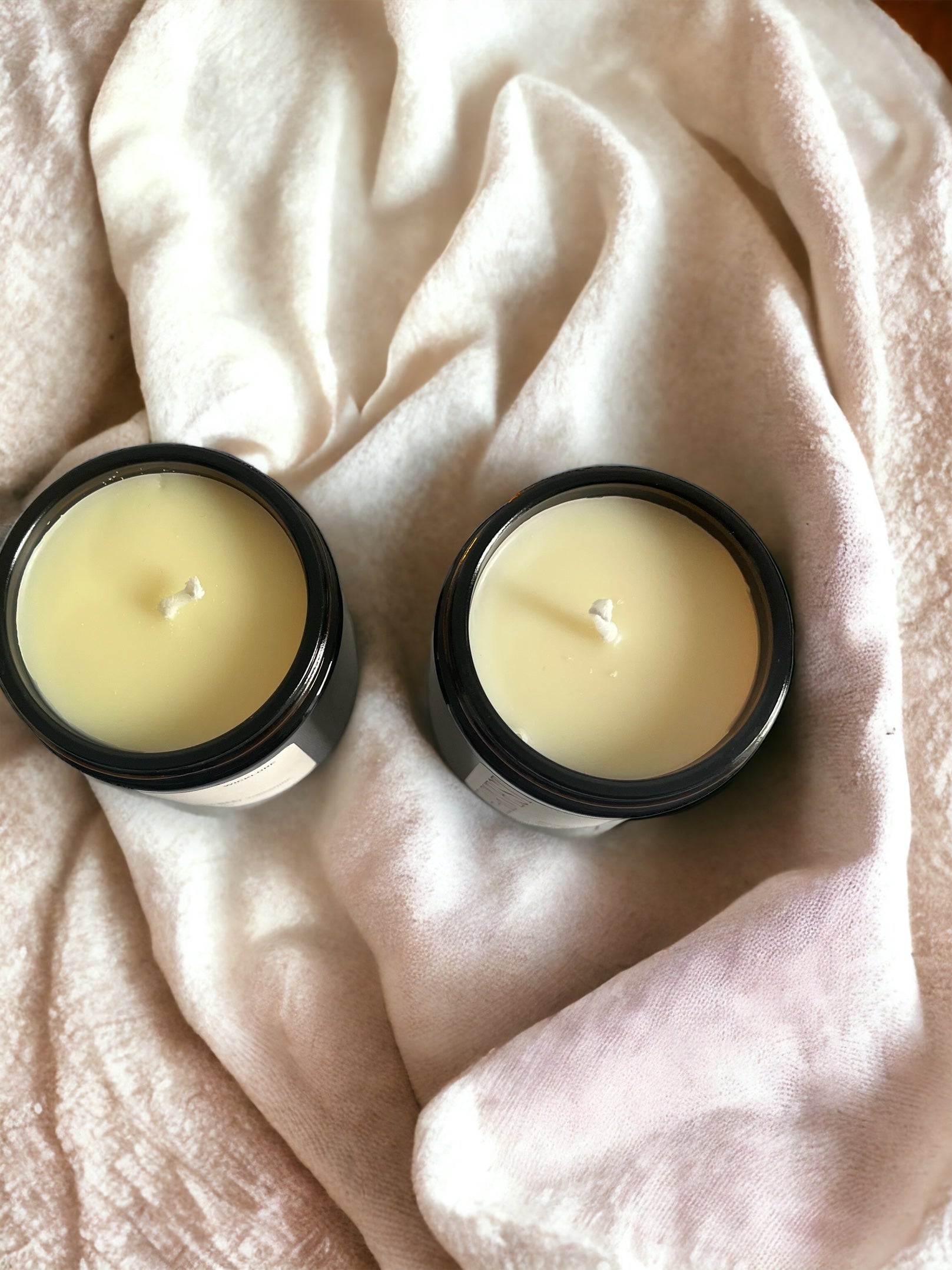
Candles have long been associated with ambience, comfort, and ritual. But their influence extends beyond decoration. The relationship between candles and mood is deeply sensory: scent alters how we feel, candlelight changes how we perceive space, and ritual gives the mind permission to slow down.
At a time when wellbeing is shaped as much by our surroundings as our routines, the candle has quietly become a tool for atmosphere and emotional ease.
This blog will help you learn the relationship between candles and mood. How strongly candles relate to your well-being and slow living.
Candles and Mood: How Light and Scent Shape the Atmosphere at Home
Warm Light and Emotional Calm
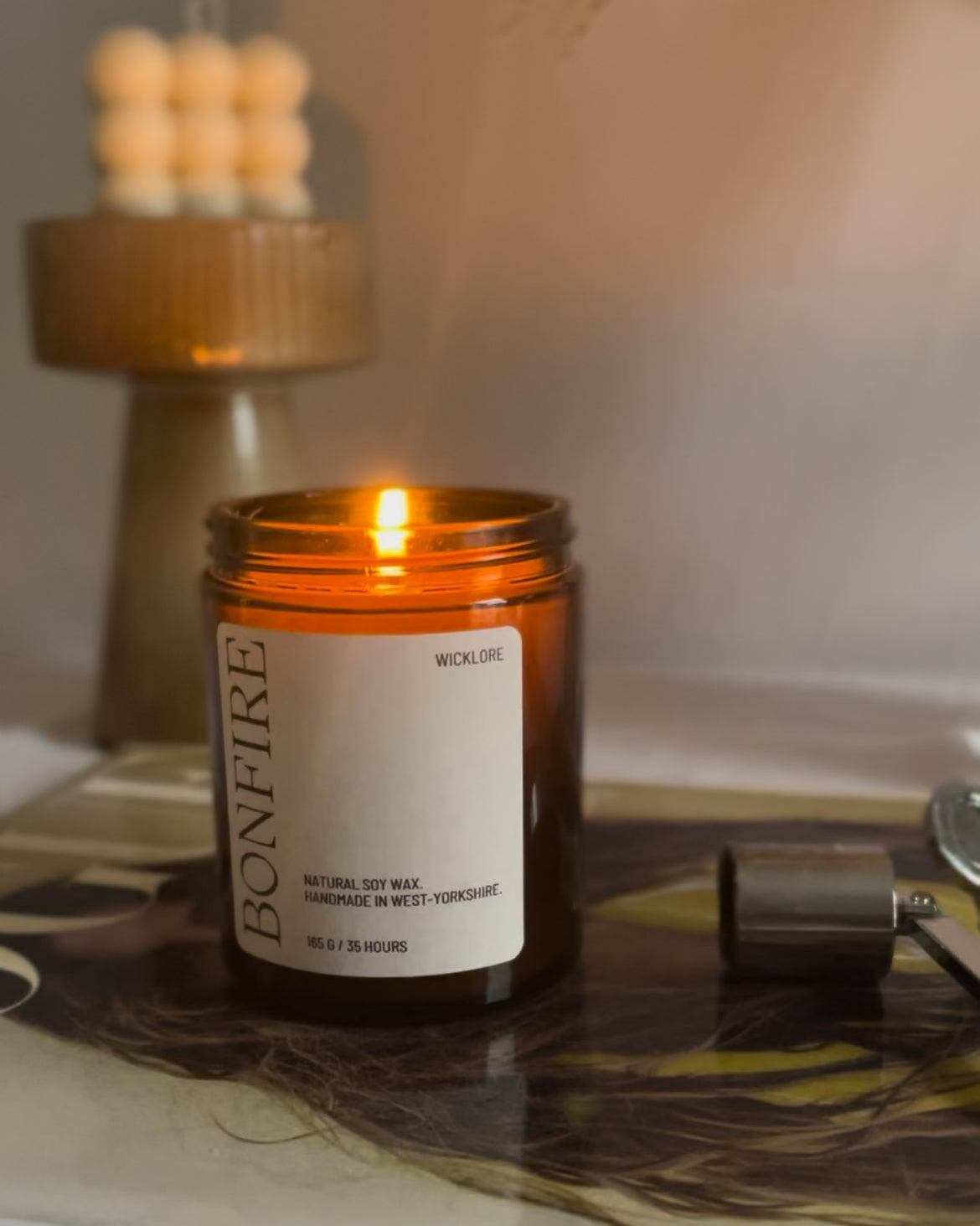
The low, golden glow of candlelight softens the edges of a room and calms the nervous system. Unlike bright or cool-toned lighting, warm light signals evening, rest, and comfort. It encourages slowness, mindful living, and helps transition the mind from productivity to presence.
Scent and the Limbic System
Our sense of smell is directly wired to the limbic system, the part of the brain responsible for emotion and memory. This is why familiar scents can instantly shift mood, trigger nostalgia, or create comfort. There are multiple ways through which you can incorporate home fragrance into your wellness lifestyle.
Floral notes soften and uplift; woody notes ground and steady; ambers and musks warm and reassure; vanilla soothes; and fig or berry blends refresh and energise.
How Scented Candles and Mood Are Linked Through the Senses:
Emotion Through Fragrance Families
Different scent families carry different emotional tones:
-
Florals = romantic, elegant, calming
-
Woods = grounding, slow, cosy
-
Amber = warm, sensual, evening
-
Musk = soft, comforting, intimate
-
Fig & fruits = bright, playful, social
Ritual and Psychological Signalling
Lighting a candle is also a psychological cue. The act itself is a ritual that tells the mind:
-
“The day is done.”
-
“This is my moment.”
-
“I’m switching off.”
-
“I’m resting now.”
This signalling helps create boundaries—especially in homes that serve multiple roles (work, rest, hosting, thinking).
Season, Scent, and Mood
Scent adapts naturally with the season:
-
Summer calls for fruit notes and botanicals
-
Winter scents lean towards woods, spice, and warm florals
-
Autumn prefers ambers and grounding blends
-
Spring welcomes bright fruits and green florals
Seasonal scenting creates emotional alignment with the time of year.
The best Candles for every occasion:
At Wicklore, scent is created not as decoration, but as atmosphere.
-
Velvet & Rosewood — romantic and calm for slow evenings
-
Amber Patchouli — grounded and cosy for winter rituals
-
Vanilla Musk & Fig — soft and reassuring for bedtime
-
Berry & Wood Trio — playful for social mornings and hosting
These are scents designed for mood, not performance.
Candles for Hosting
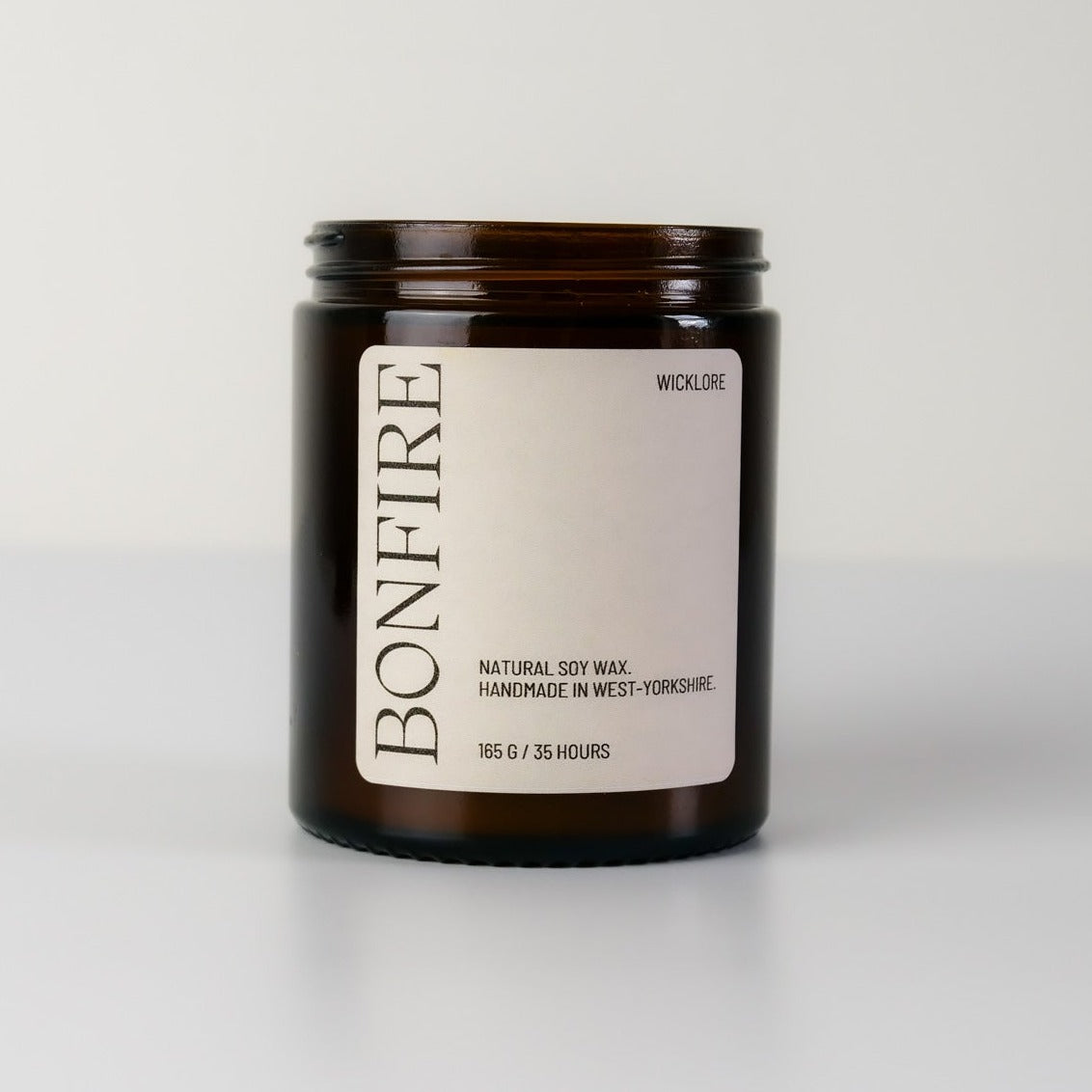
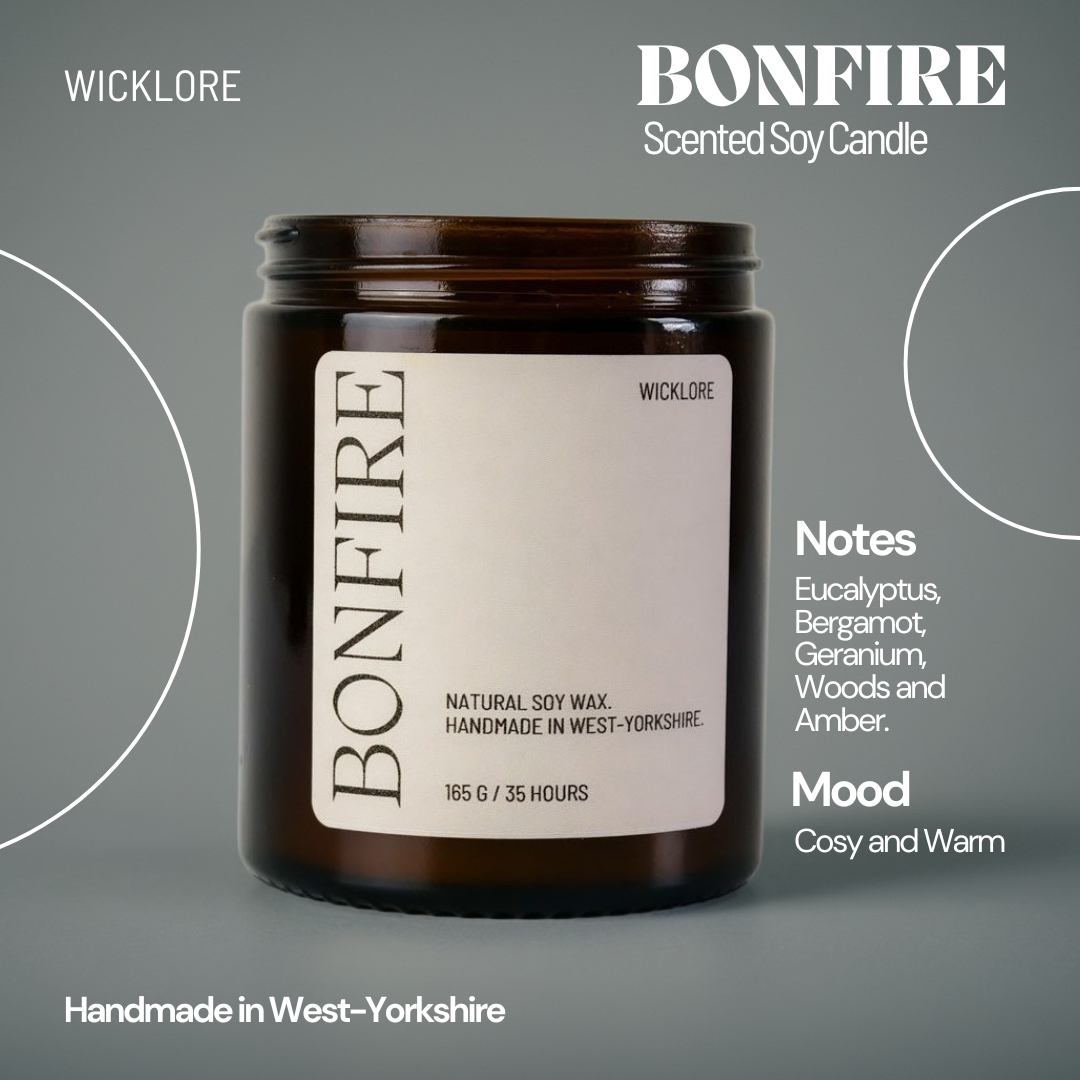
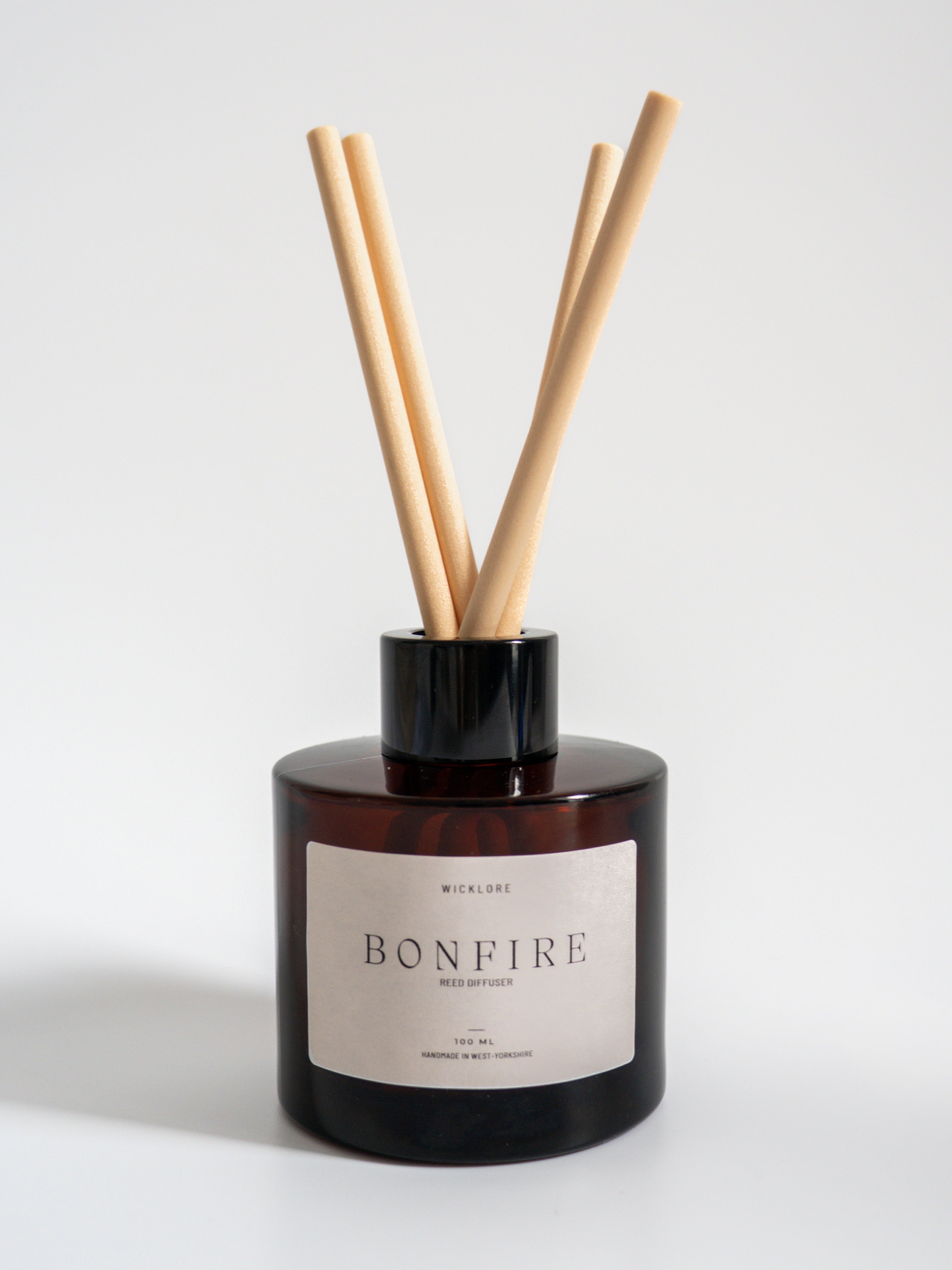
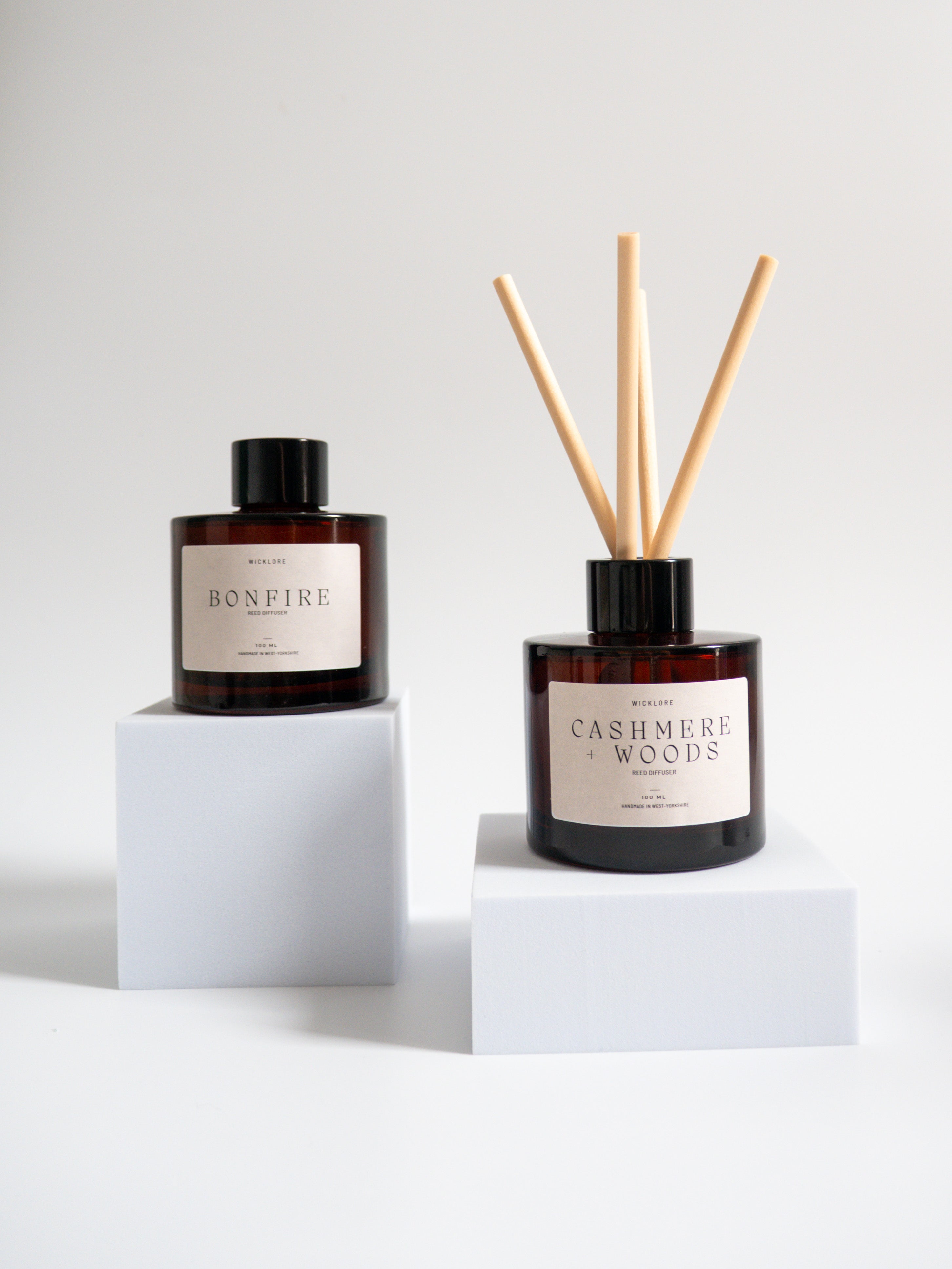
Candles make hosting feel intimate, especially in the colder months when evenings draw in earlier. A warm, floral, or amber blend like Bonfire by Wicklore, drifting through the room, creates a subtle mood, something between cosy and convivial. In spring or summer, brighter scents like fig or berries feel playful and social. The soft light, the quiet burn, the hint of perfume in the air, together, they make a house feel alive.
If you host often, choose scents that encourage guests to linger. Elegant florals are perfect for dinner or Galentine's Day celebrations with your girl squad, while warm ambers are ideal for evening drinks. Alternatively, consider fig and berry blends for daytime gatherings. These scent families are friendly, versatile, and naturally social in atmosphere.
For Wicklore, blends like Berry & Wood Trio feel perfect for brunches and daytime hosting, while Velvet & Rosewood bring quiet elegance to long dinners or evenings in. A single candle can shape a moment, but a few placed throughout the room create pockets of glow that make people feel immediately at home.
The Wellbeing Benefits of Candles
Research into scent and sensory routines links candles to:
-
reduced stress and anxiety
-
improved emotional regulation
-
enhanced focus (citrus, fig, herb)
-
better sleep routines (musk, vanilla, warm florals)
-
increased social comfort (ambers and florals)
Candles aren’t medicine, but they are tools for sensory wellbeing.
Final Thought:
The relationship between candles and mood is simple: scent and light shape how we feel. Whether for slow evenings, self-care rituals, hosting, or seasonal comfort, candles help transform the everyday into something calmer, warmer, and more intentional. That’s the quiet magic of scent-led living, it invites us to slow down, soften our spaces, and savour moments we often rush through.
Elevate your home, your moments, your mood. Explore Wicklore’s curated candle collections and discover scents designed to make every evening feel intentional, every gathering feel warmer, and every pause feel luxurious.
Light, breathe, and live slow.
FAQs:
-
Do candles affect mood?
Yes. Scent and warm light influence emotional atmosphere, relaxation, and sensory comfort. -
Which candle scents help with relaxation?
Musks, ambers, warm florals, vanilla, and woody blends are ideal for unwinding. -
Why do candles feel calming?
Warm light reduces visual stimulation, scent influences emotion through the brain, and ritual encourages slowness. -
Are candles good for sleep?
Soft scents such as musk, vanilla, and amber encourage evening routines and aid the body’s shift into rest.