Life is always evolving, and with time, we indulge in habits that shape our lives. One small ritual, one small habit, unconsciously has so much effect on our everyday life that we cannot even imagine. Building small habits that will change your life requires change. Changes come without announcements. They arrive softly, in minutes, not milestones; in gestures so small they seem almost trivial. The truth is that our lives are shaped less by rare, dramatic turns and more by the gentle repetitions we perform without fanfare. Small habits transform you into the personality you ever wanted to be.
We’re wired to believe transformation demands overhaul: a new routine, a new identity, a new year, a new you. Yet most of what genuinely reshapes the way we live, feel, and carry ourselves takes place in spare minutes. Five quiet minutes after cooking. A brief pause before responding. Two minutes to strike a match and soften the evening with warm light.
Small habits can make bigger changes and impacts. A routine consistently practiced can accumulate into a lifestyle that feels controlled, calm, deliberate, and far more enjoyable.
This blog by Wicklore will help you learn 5 small habits that will change your life forever.
The 5 small habits that will change your life forever:
Below is a list of the top 5 small habits that have the power to transform lives:
1. The Habit of Tidying Little, Not Lots
Clutter is less about mess and more about mental static. It hums in the background, asking for attention even when we intend to ignore it. Most people wait until the irritation becomes unbearable, then attempt a grand clean, an exhausting purge that inevitably needs repeating.
There is an easier approach: micro-tidying, five-minute resets after cooking, working, dressing, or arriving home. Clearing surfaces is not because they are messy, but because they are transition points. This habit reframes tidying from punishment to punctuation — a way of finishing one thing, and preparing for the next.
Psychologists often speak about “cognitive load”, the weight of unresolved tasks sitting in our subconscious. Clearing a counter, folding the throw, putting the glass in the dishwasher, these aren’t chores; they’re closures. Small closures create spacious minds.
Interestingly, homes that feel serene rarely owe that serenity to square footage or expensive furniture. They’re built on rhythm: small consistencies that make order effortless. Over time, micro-tidying eliminates the need for marathon cleans entirely. Life becomes lighter, mornings become smoother, and the home becomes a place that welcomes you rather than scolds you.
2. Lighting the Moment, Not the Room
There’s a profound difference between illumination and atmosphere. Overhead lighting broadcasts visibility. Soft lighting broadcasts emotion. The latter changes the pace of a space; it signals evening, intimacy, slowness.
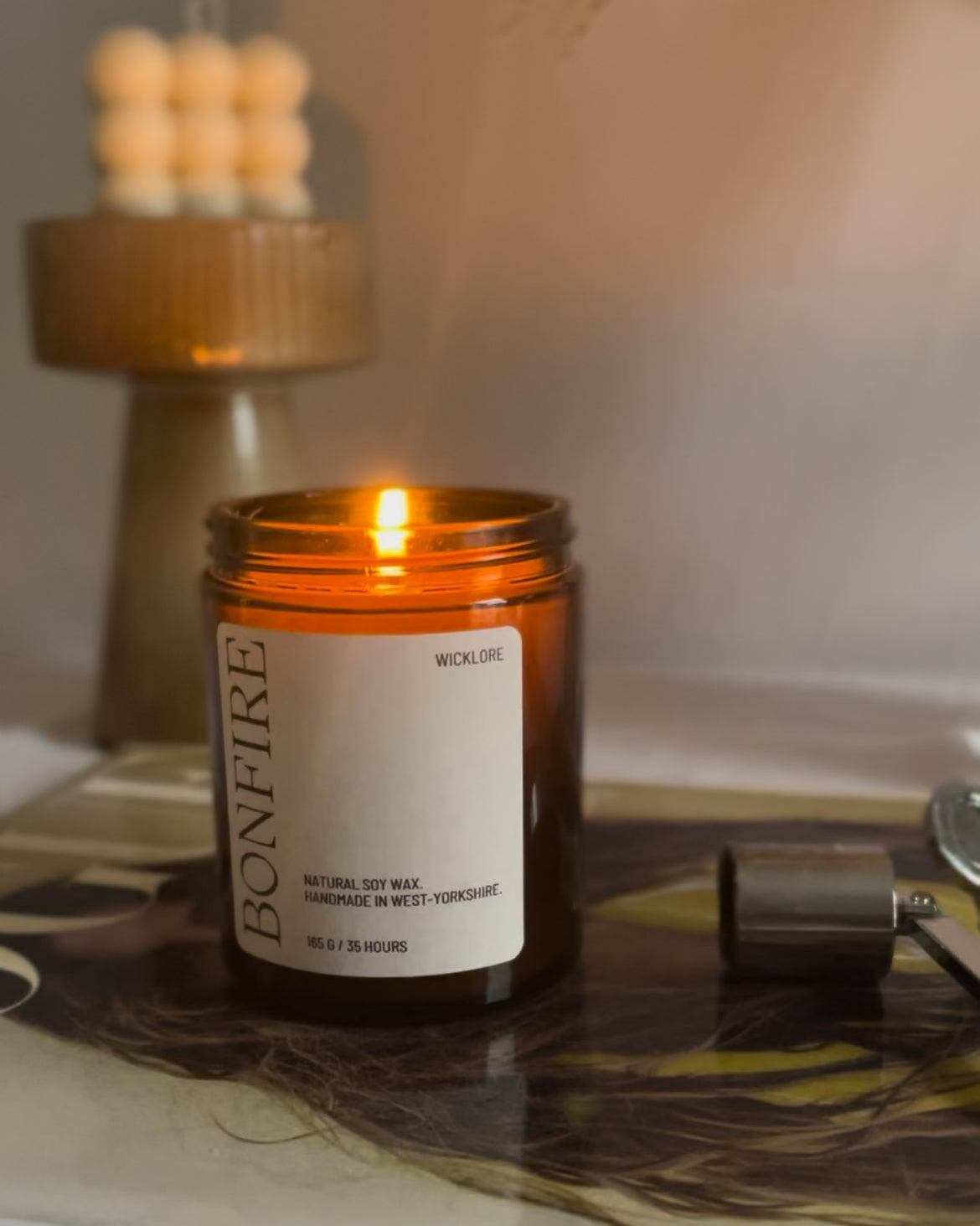
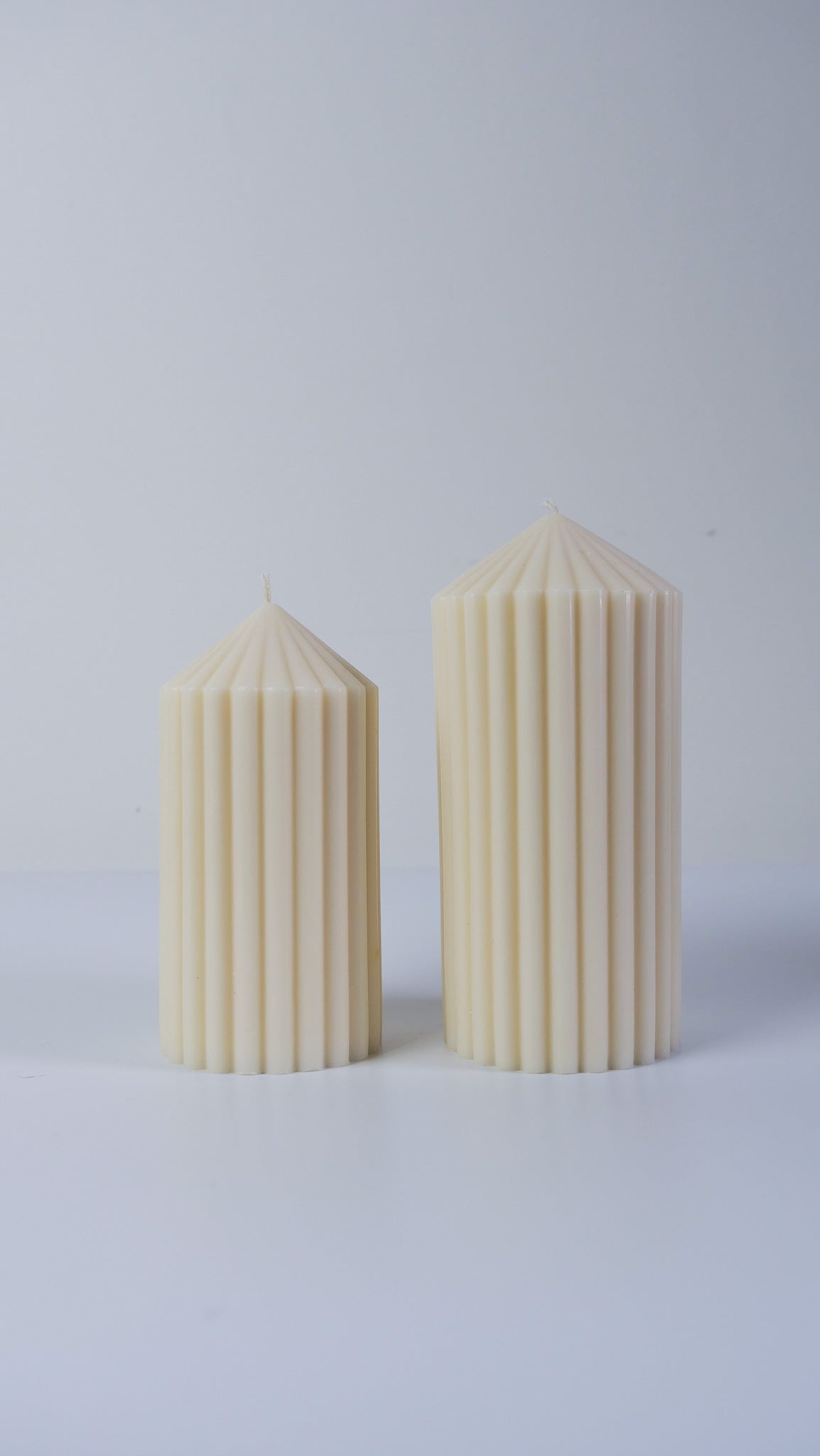
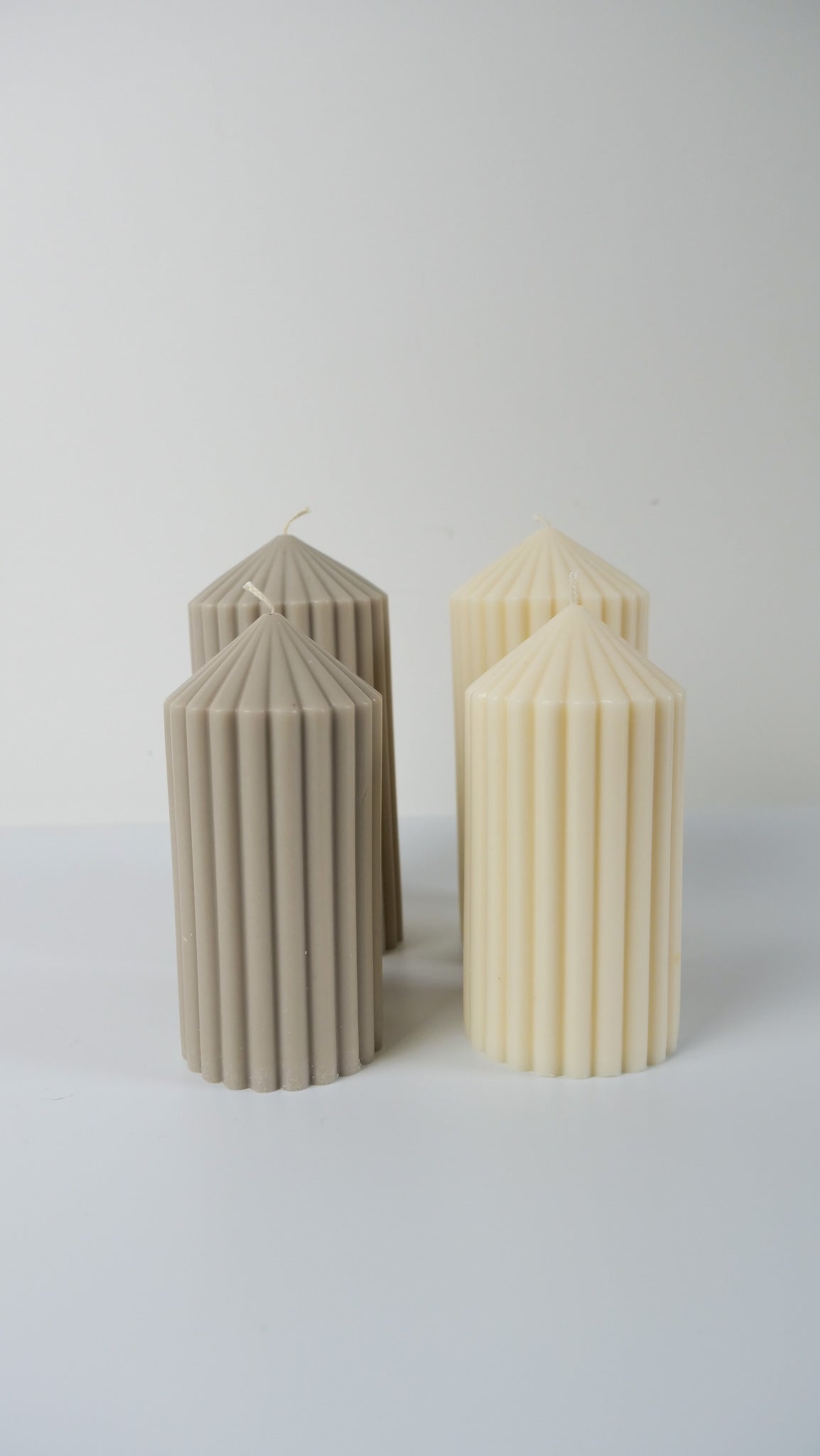
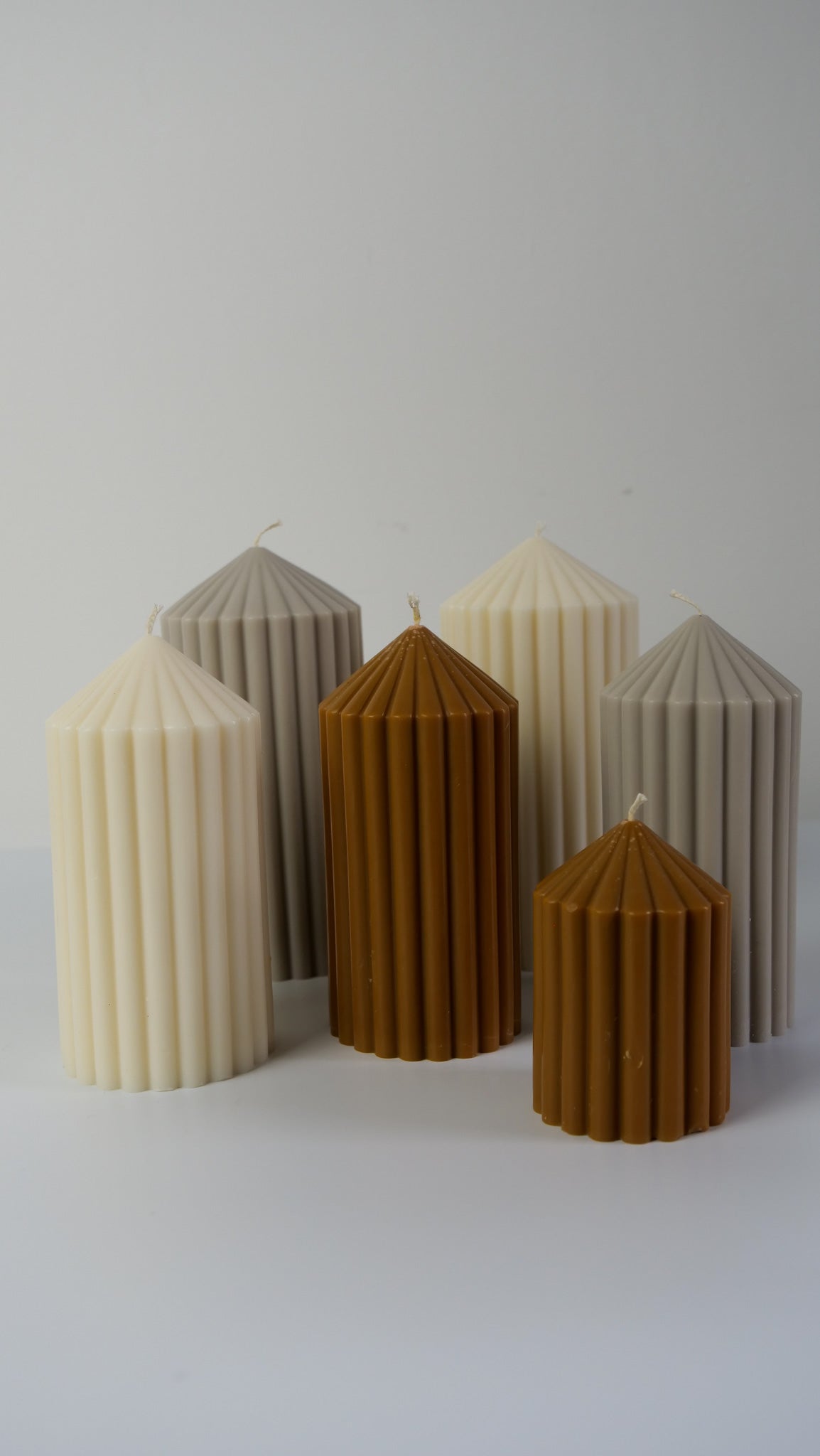
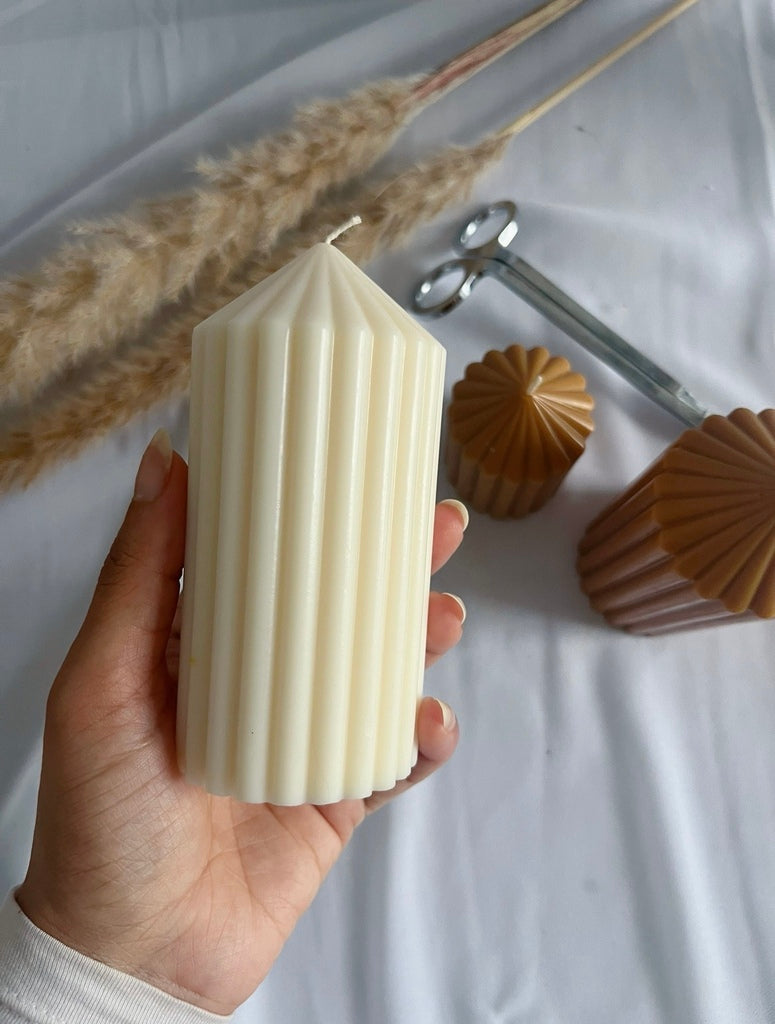
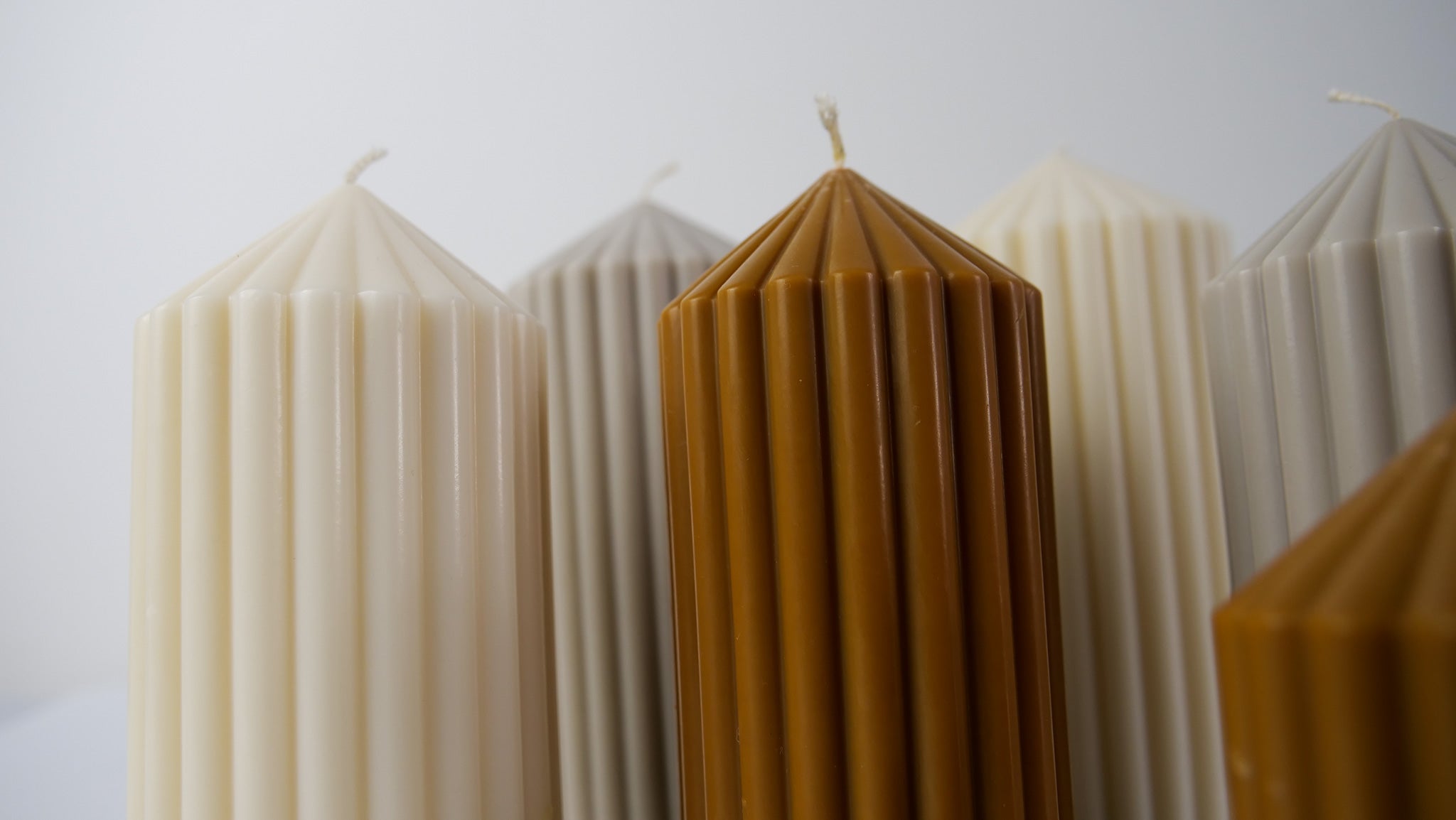
Lighting a candle is one of the quickest ways to shift mood. The small ritual of striking a match, watching wax pool, and letting scent lift into the air is both sensory and symbolic: a permission slip to ease into the moment you’re in.
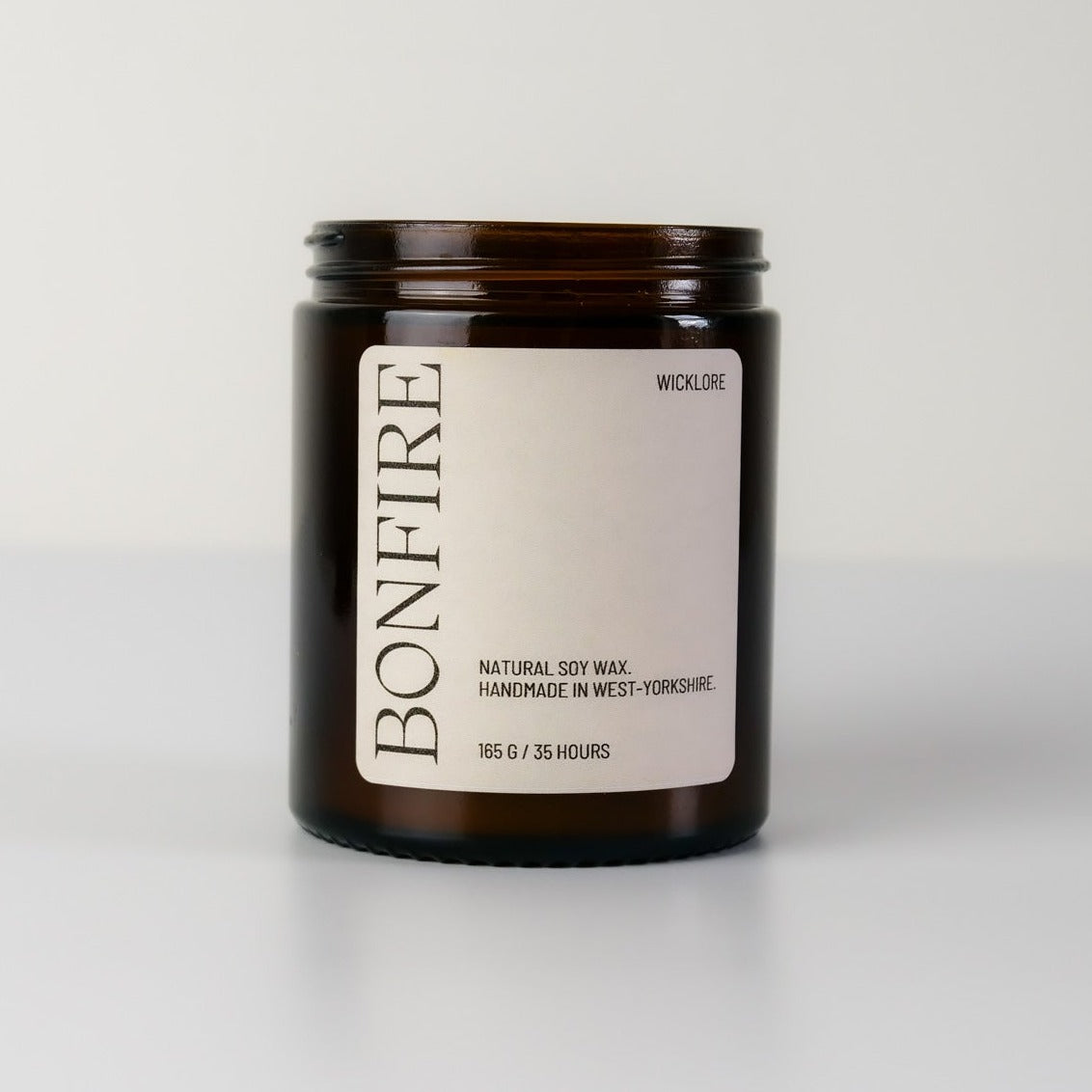
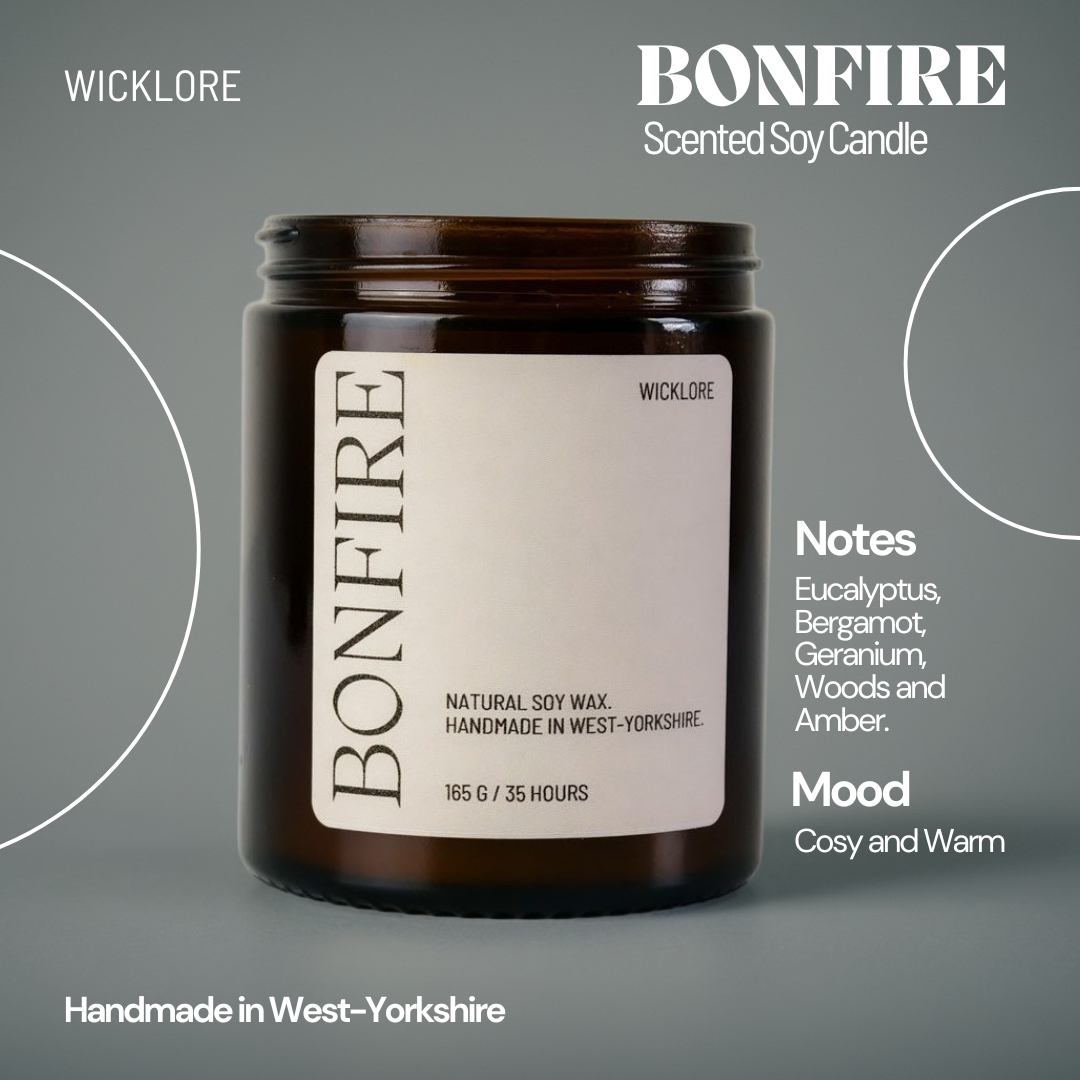
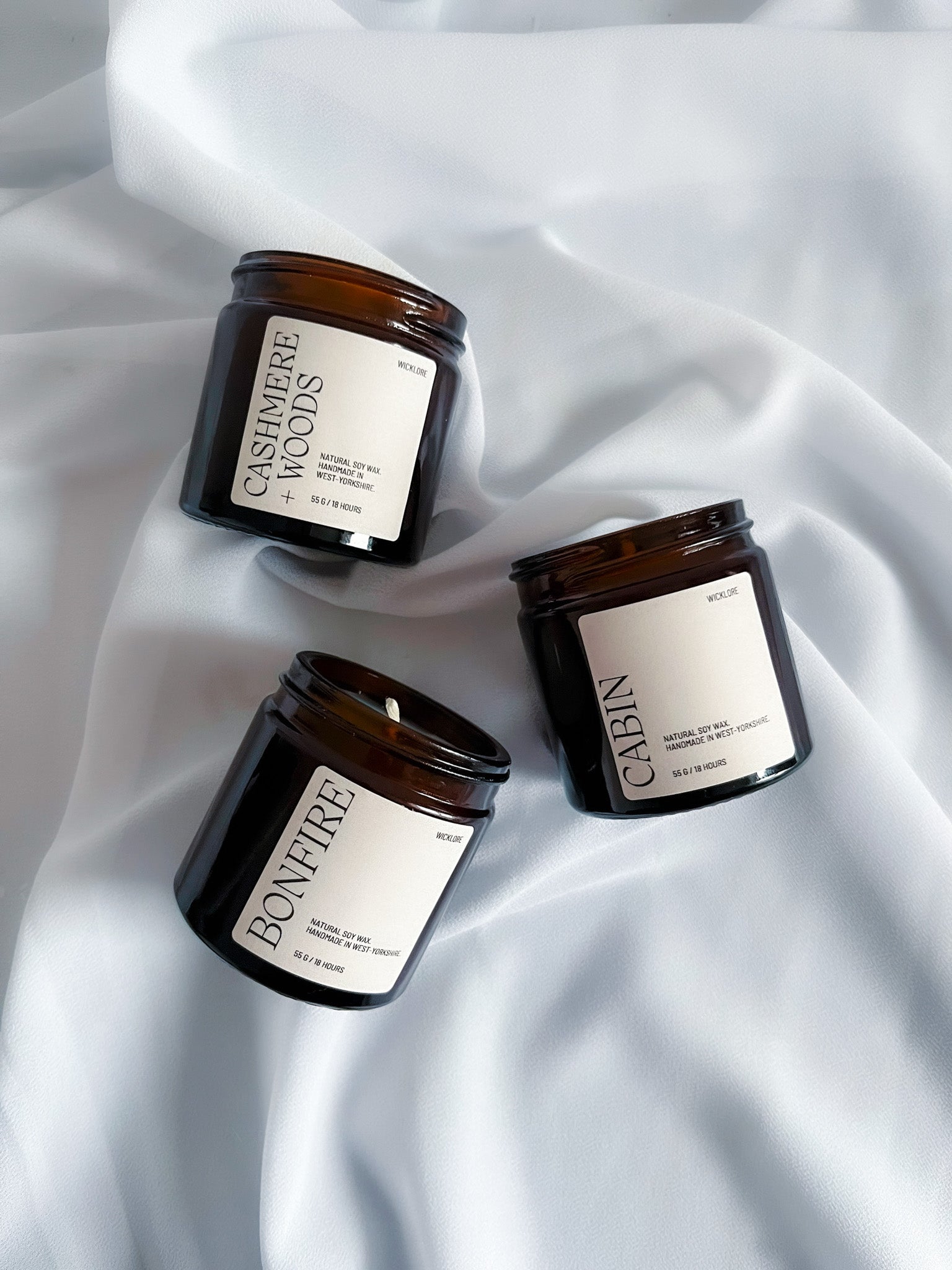
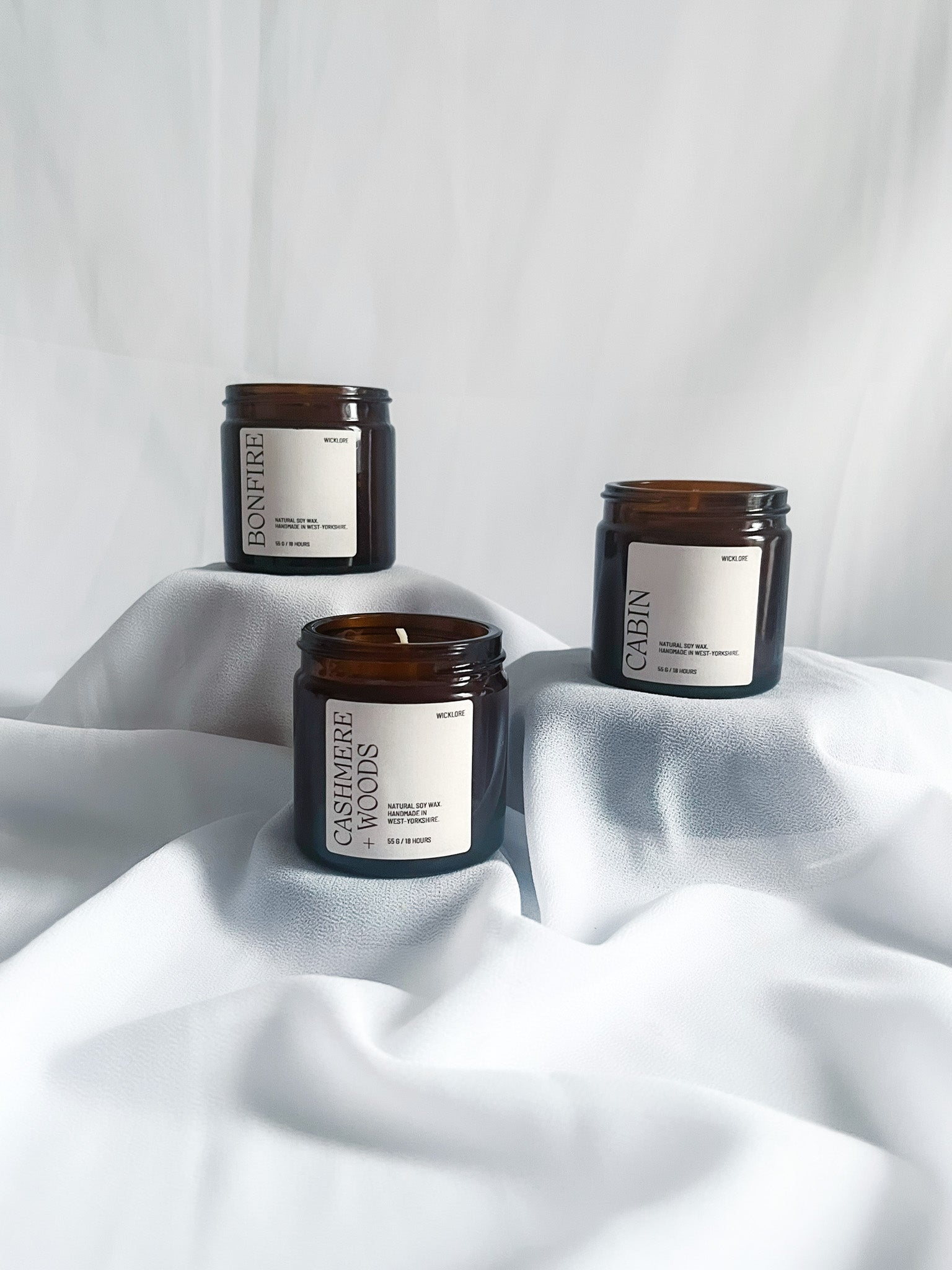
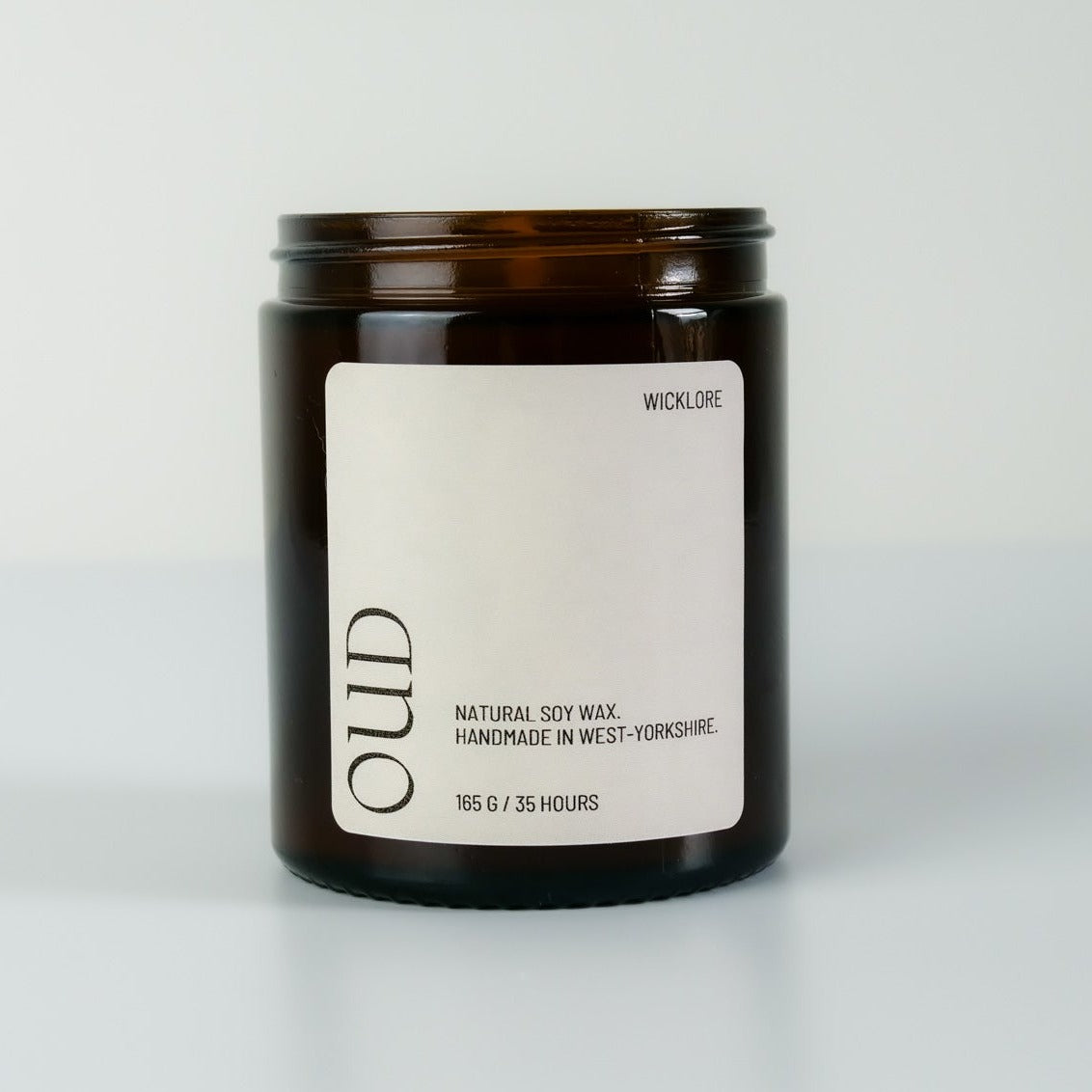
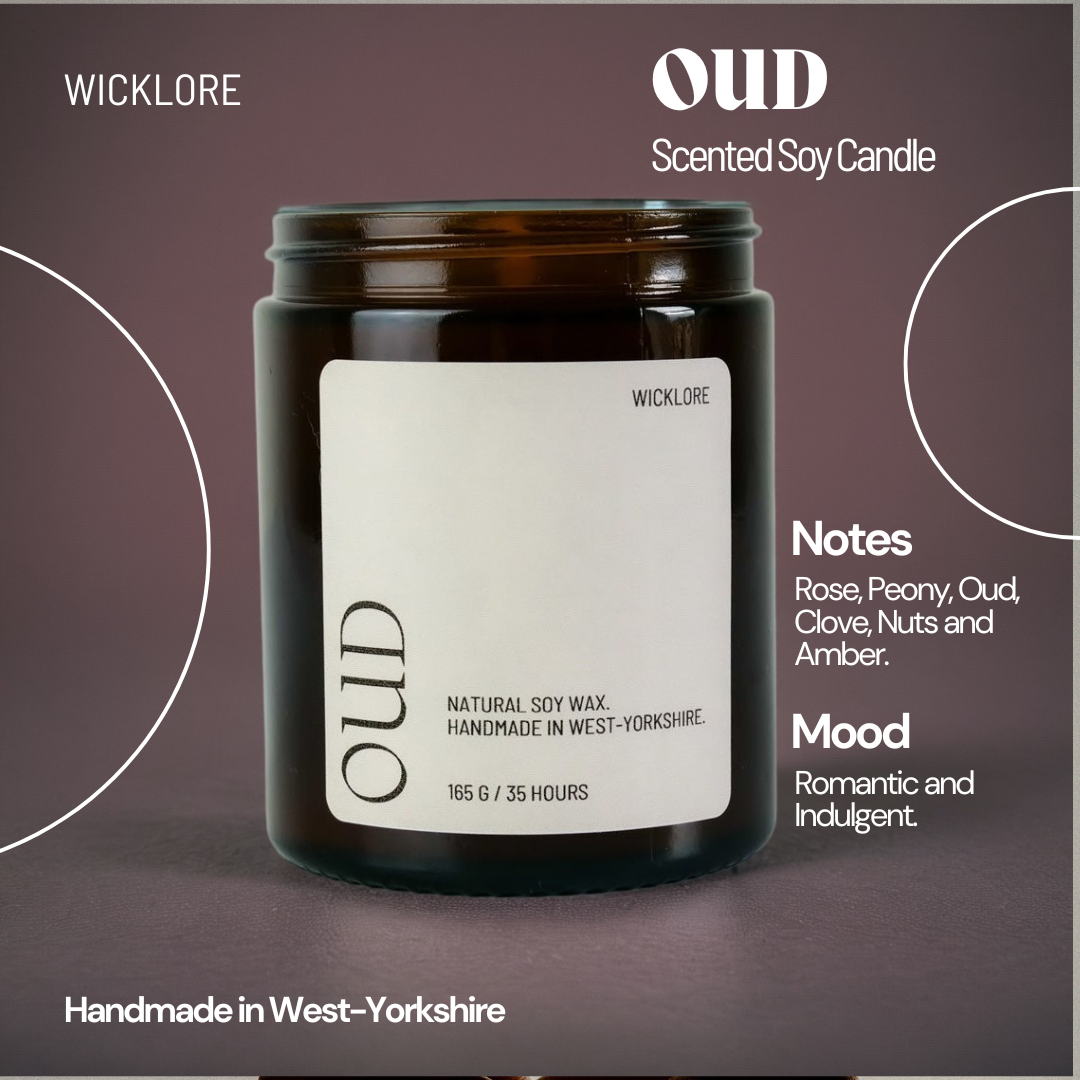
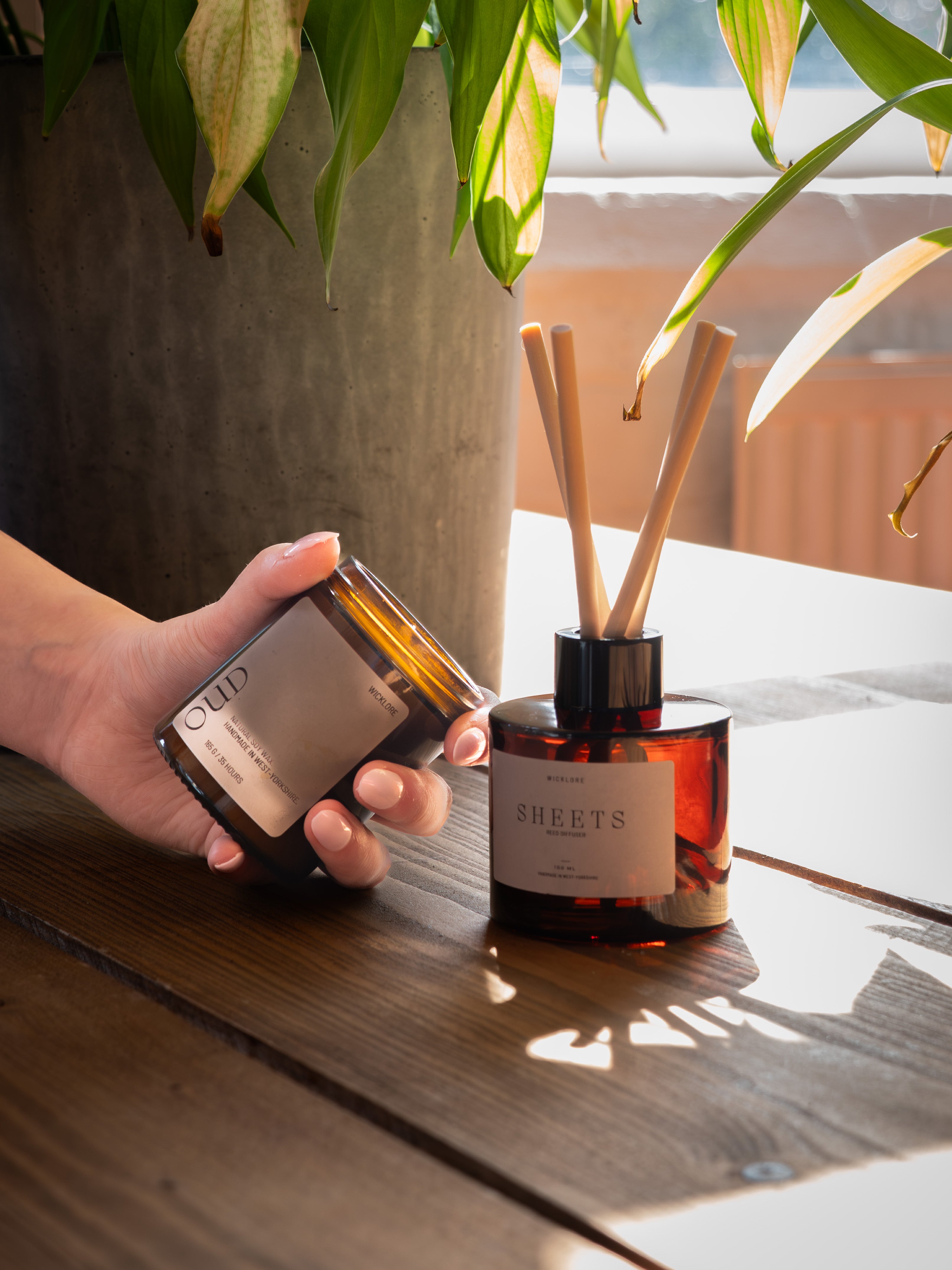
A warm amber blend from Wicklore, for instance, settles the space instantly, transforming the room not through brightness, but through atmosphere.
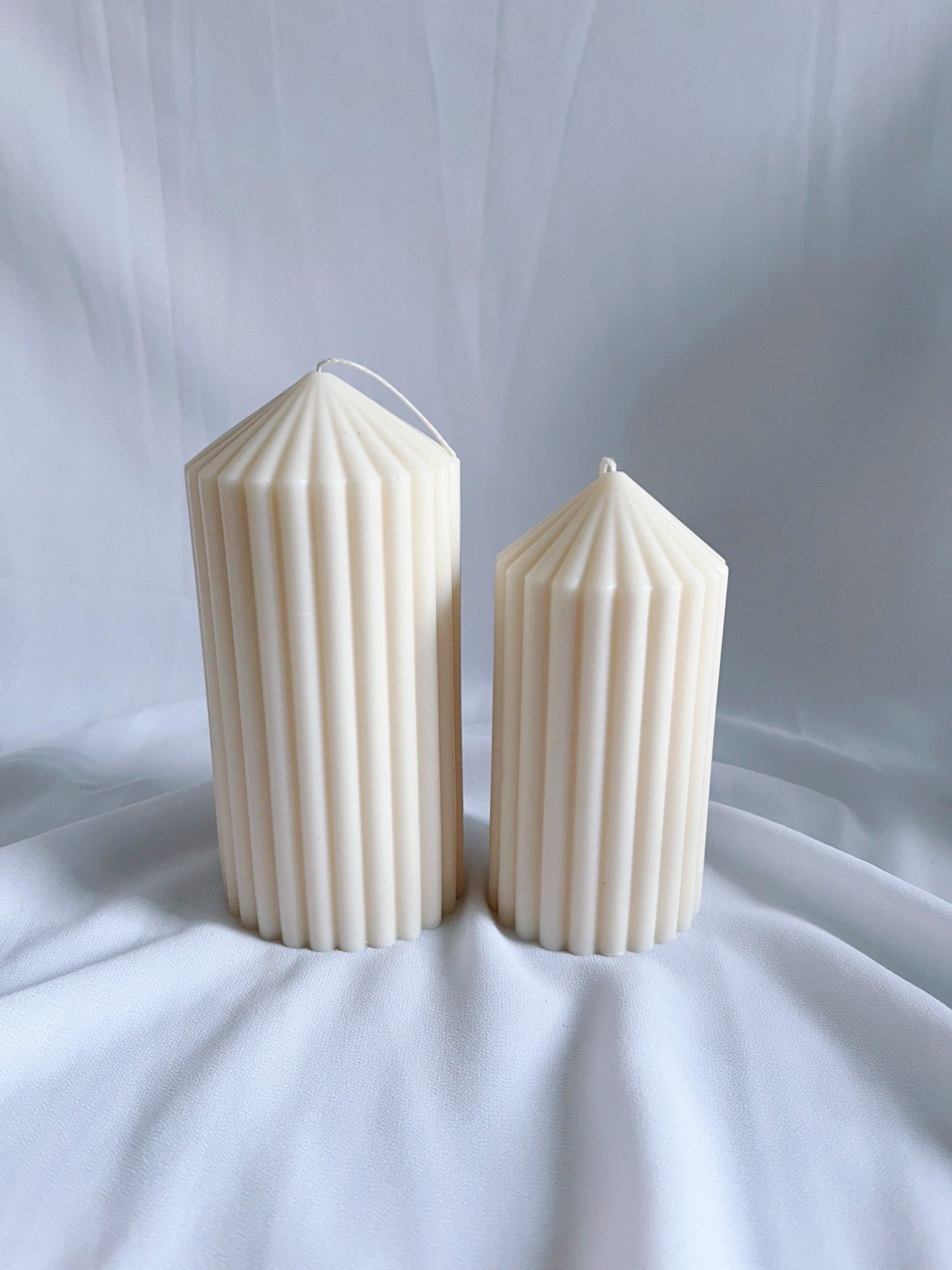
Soft light makes evenings feel less like a continuation of the workday and more like a separate chapter. It invites presence. It invites calm. Homes designed for rest aren’t necessarily silent or minimal; they’re lit intentionally. A Wicklore taper on the dining table or a slow-burning scented candle near the sofa turns late hours into a ritual rather than a routine.
This small habit is subtle but transformative. It frames the end of the day not as collapse, but as arrival. When lighting becomes ritual rather than default, evenings acquire texture. Warmth replaces harshness. Conversation slows. Time feels lived rather than endured. It sounds more like a small ritual of winding down your evening.
And though candles are often dismissed as luxury or decoration, their power lies not in the aesthetic alone but in the signal they send to the nervous system: breathe, soften, settle.
3. Breathing Before Reacting
A pause is a deceptively powerful tool. Not a dramatic inhale, not a meditative exercise, just a brief, conscious suspension between impulse and response.
Most reactions happen quickly. The email frustrates you. The text annoys you. The comment stings. Without thinking, you reply, defend, argue, and explain. The problem isn’t the emotion, it’s the immediacy. Slowly processing the situation is an art and helps to respond better.
A two-second pause introduces choice. In physiological terms, it interrupts the fight-or-flight reflex and moves us back into rational territory. In emotional terms, it introduces dignity.
Breathing before reacting is not about suppression. It’s about self-respect: the decision to respond from intention rather than adrenaline. People with this habit tend to navigate conflict more gracefully, not because they feel less, but because they understand timing.
Over weeks and months, this pause reshapes relationships. Communication becomes less combative, workplaces less volatile, friendships less brittle. Most importantly, internal dialogue becomes kinder. Life becomes less like a sprint and more like a walk, one where you actually notice what you’re passing.
4. Prepare for Tomorrow the Night Before
Mornings have an undeserved reputation for chaos. The rush, the search for keys, the frantic decision about clothes or breakfast, these rituals of disorganisation are not a personality trait. They are a lack of preparation disguised as normality.
Preparing the night before is a quiet, friction-removing habit. Setting out clothes, filling a water bottle, placing vitamins next to the kettle, writing a three-item to-do list instead of a sprawling manifesto, these are acts of respect towards your future self.
The psychological benefit lies not in the tasks themselves but in the clarity they create. Decision fatigue diminishes. Anxiety retreats. Mornings gain rhythm. The day begins with confidence rather than recovery.
Small preparation compound. A tidy kitchen makes breakfast easier. A pre-packed bag avoids delays. A simplified to-do list protects focus. Over time, the entire tone of the day shifts. This helps in experiencing the luxury and comfort of slow living and taking in every moment of the day.
People assume discipline is loud, alarms, schedules, and tracking apps. In truth, it’s often as quiet as laying a notebook on a desk the night before.
5. Practising Small Luxuries Daily (Not Just on Occasions)
Luxury isn’t defined by cost; it’s defined by presence. Fresh flowers on a desk. A favourite tea in a porcelain cup rather than a mug. A well-made candle lit on a weekday afternoon. A curated playlist instead of algorithmic noise.
These small luxuries soften the edges of daily life. They remind us that pleasure doesn’t need an occasion. When people limit luxury to celebrations, birthdays, holidays, and dinners out, life becomes a string of ordinary days interrupted by rare delights. But practising small luxuries regularly elevates the everyday.
The psychological effect is subtle but enormous. It builds a life that feels worth living, not because of future milestones but because of current moments. It reframes enjoyment as foundational rather than indulgent.
This is perhaps the most underestimated habit of them all: the decision to add beauty where it’s not required.
The Benefits of Incorporating These Small Habits Into Your Life:
Small habits rarely announce their impact, yet their benefits ripple quietly through every layer of daily living. When practised consistently, these gentle shifts do far more than improve routines; they reshape how life feels.
• Reduced Mental Clutter
Micro-tidying, preparing the night before, and intentional pauses all ease cognitive overload. When fewer decisions compete for attention, the mind feels clearer and calmer. Stress doesn’t disappear, but it softens, becoming manageable rather than overwhelming.
• A More Grounded Nervous System
Habits such as breathing before reacting and lighting a candle to mark the evening help signal safety to the body. These rituals guide the nervous system away from constant alertness and into rest. Over time, this leads to better sleep, steadier moods, and a quieter internal dialogue.
• A Stronger Sense of Presence
Practising small luxuries and intentional lighting encourages you to inhabit moments rather than rush through them. Life begins to feel less like a checklist and more like a lived experience. Even ordinary days take on texture, warmth, and meaning.
• Improved Relationships and Communication
Pausing before reacting changes the tone of conversations. Responses become more considered, less defensive. This habit alone can transform personal and professional relationships, replacing friction with understanding and composure.
• A Lifestyle That Feels Considered, Not Chaotic
Preparing ahead, tidying lightly, and adding beauty without occasion create a sense of quiet control. Life no longer feels rushed or reactive; it feels curated. Not rigid, but intentional.
• Sustainable Change That Lasts
Unlike dramatic overhauls, small habits do not exhaust willpower. They fit naturally into existing routines, making them far more likely to endure. Over time, they compound into a lifestyle that feels steady, elegant, and deeply personal.
The true benefit isn’t productivity or perfection; it’s ease. A life shaped by small habits doesn’t shout success. It whispers contentment.
The Ripple Effect of Gentle Consistency
What binds these habits together is not their complexity but their accessibility. They do not demand reinvention or disruption. They demand consistency, which is far more sustainable. Consistency is the key element that has the power to change a routine, a pattern, a bad habit or build a lifestyle.
Small habits have a compounding effect. No matter how small they might be, they create huge effects.
Tidying reduces stress, which makes evenings calmer, which encourages better sleep, which supports better moods, which creates ease in relationships, which builds confidence, and so the quiet chain continues.
When examined closely, what people call “transformation” is usually just the result of months of small habits and sensible decisions repeated without performance.
Change Doesn’t Arrive Loudly
If grand gestures changed lives, we’d all be transformed by January 2026. The real shift happens on ordinary Tuesdays, inside small decisions, small habits, and inside mundane tasks that feel inconsequential at the time.
Living well is not an achievement; it is a practice, especially in fast-moving countries. One performed slowly, daily, and without applause.
Final Thought:
Change doesn’t demand a new life; it simply asks for attention within the life you already have. When the ordinary is treated with care, tidied lightly, lit softly, breathed through gently, it becomes richer.
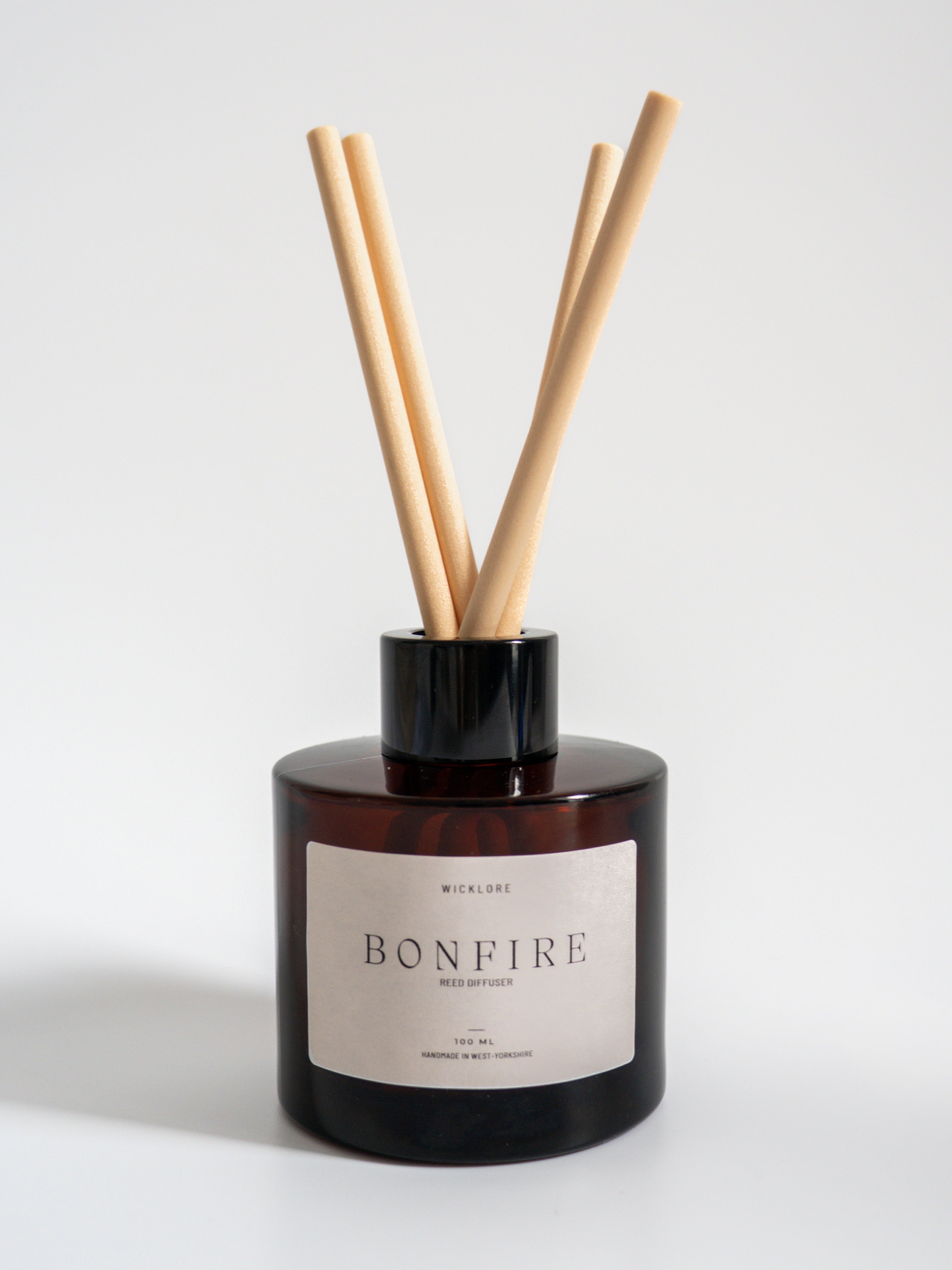
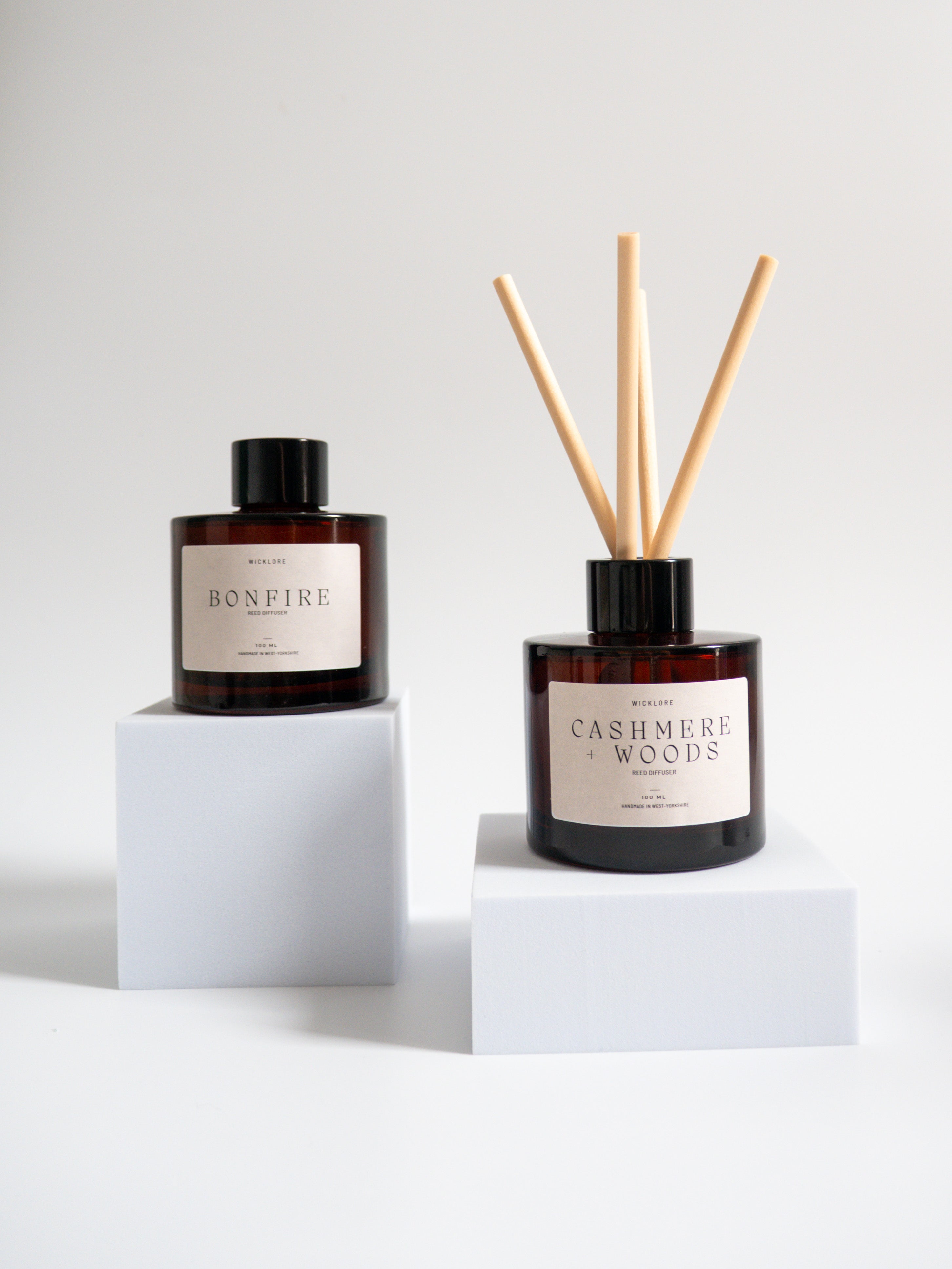
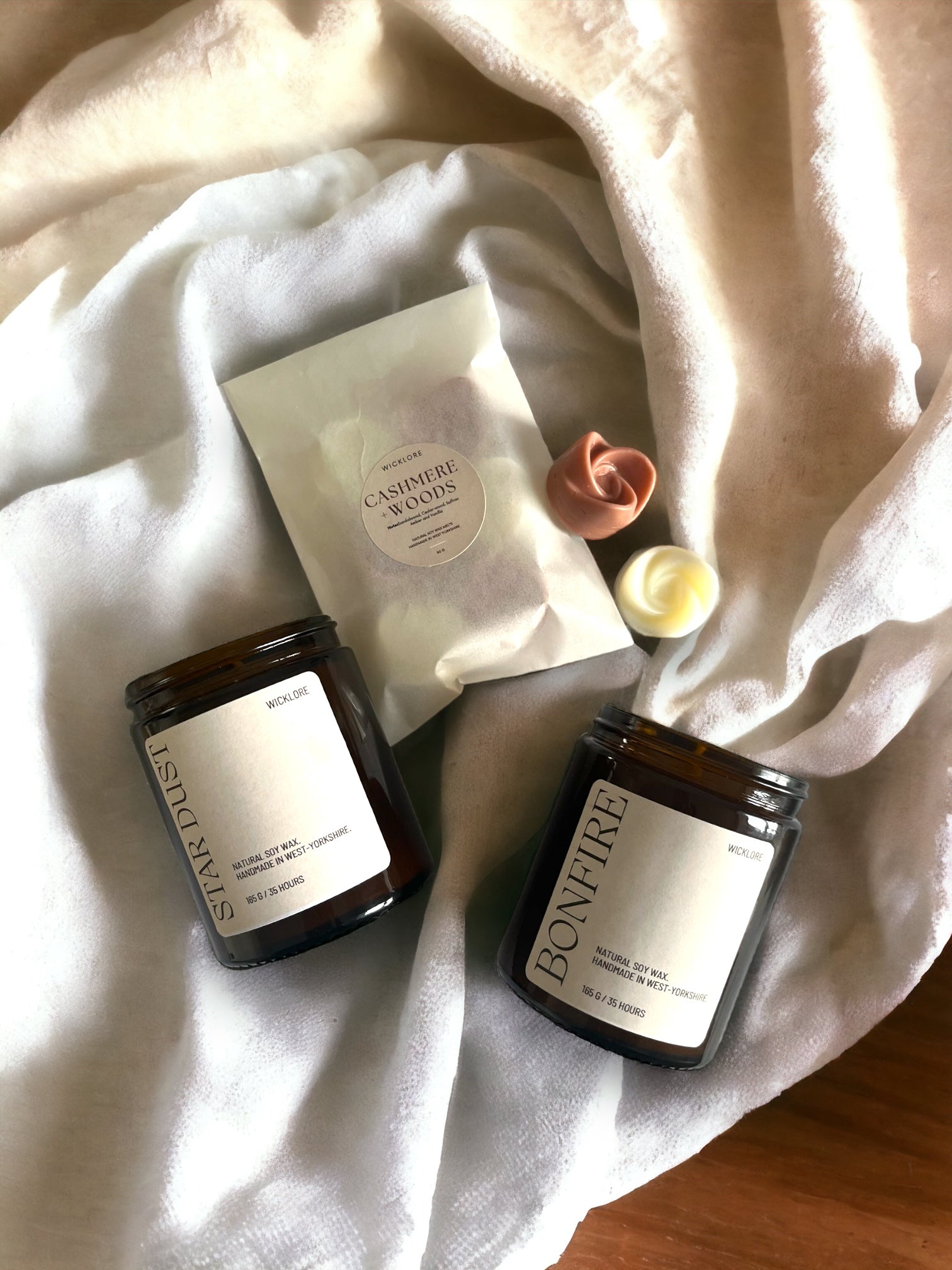
At Wicklore, we believe everyday living should feel beautiful, not reserved for celebration. Our candles, diffusers, and scent trios are created to accompany the quiet rituals that steady a day: the pause, the unwind, the welcome home.
Begin with one small ritual, and let it soften the hours.
FAQs
1. Why do small habits make such a difference?
Because they are sustainable. Big goals rely on motivation, which is inconsistent. Small habits rely on rhythm, which is far easier to maintain.
2. How long does it take for a habit to “stick”?
There is no universal number. Research suggests anywhere between a few weeks and a few months, depending on complexity. The more enjoyable and convenient a habit is, the faster it integrates.
3. Are these habits considered slow living?
In many ways, yes. Slow living prioritises intentionality, sensory experience, and presence — all qualities embedded in the habits above.
4. Do I need to do all five habits at once?
Absolutely not. Start with the one that feels easiest or most appealing. Momentum is built through enjoyment, not pressure.
5. What if I fall out of routine?
Nothing is lost. Simply resume. Consistency is not the absence of interruption; it’s the willingness to continue.